
Easy Fig Jam Recipe : Homemade Fig Preserves

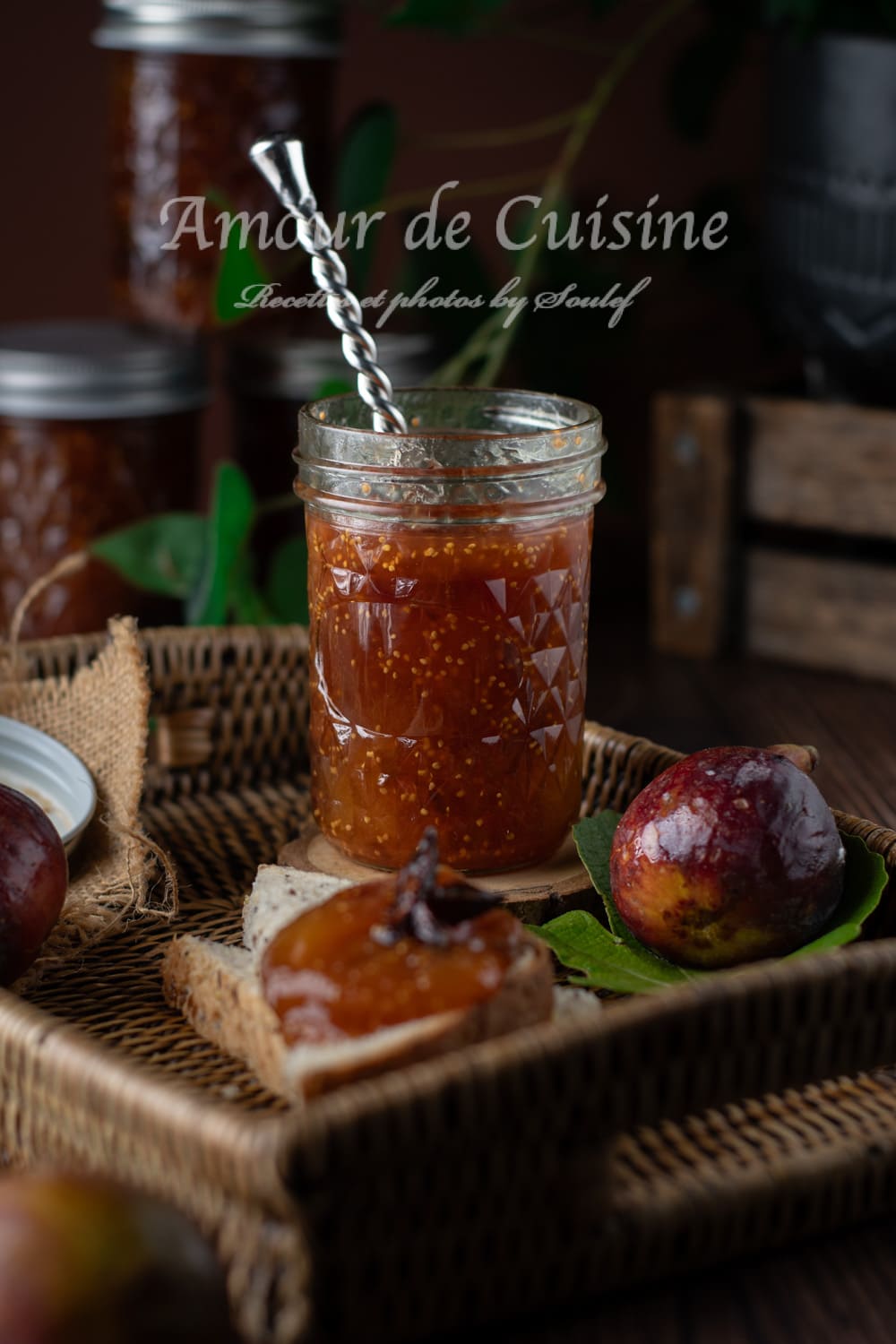
This homemade fig jam is one of those comforting recipes that brings back the simple traditions of the past.
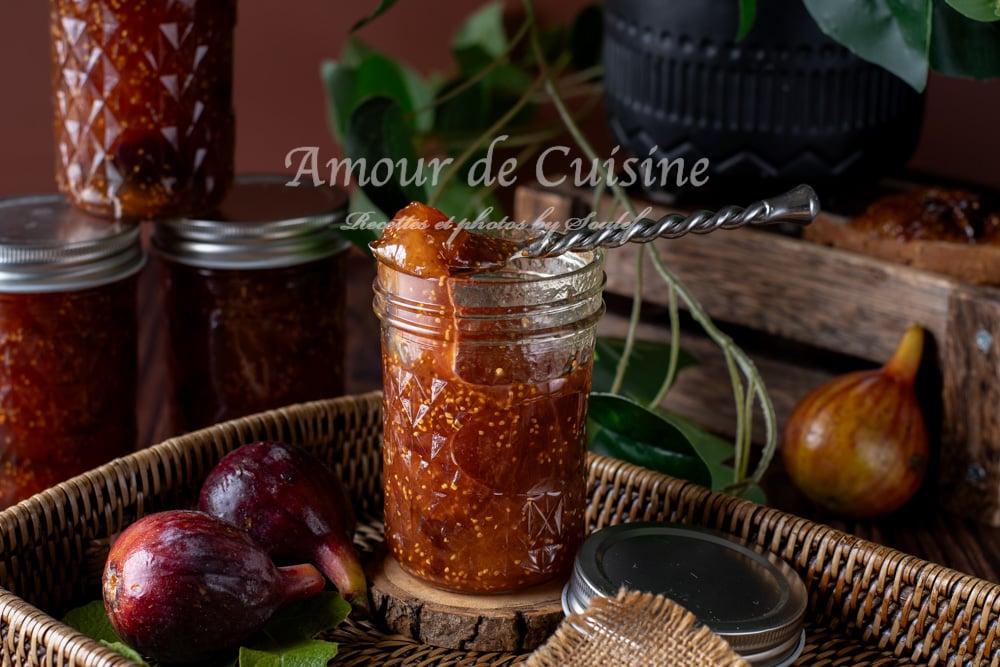
Made with ripe figs, sugar and a little lemon juice, it has a soft, fruit-filled texture, a rich flavor and the unmistakable taste of homemade preserves.
This easy old-fashioned fig jam recipe is a wonderful way to enjoy fig season and fill a few jars with a beautifully fragrant preserve.
Why you will love this homemade fig jam
When figs are fully ripe, fragrant and naturally sweet, turning them into jam is one of the best ways to extend their short season. This traditional recipe uses only a few simple ingredients, allowing the flavor of the fruit to remain the star.
What I love about this old-fashioned fig jam is that it follows the simple method used by our mothers and grandmothers: ripe fruit, a moderate amount of sugar, a little lemon and careful cooking.
- It is made with a short list of simple ingredients.
- It contains less added sugar than many traditional preserves.
- Overnight maceration intensifies the natural fig flavor.
- You can make it with black, purple, green or white figs.
- The jam retains soft, delicious pieces of fruit.
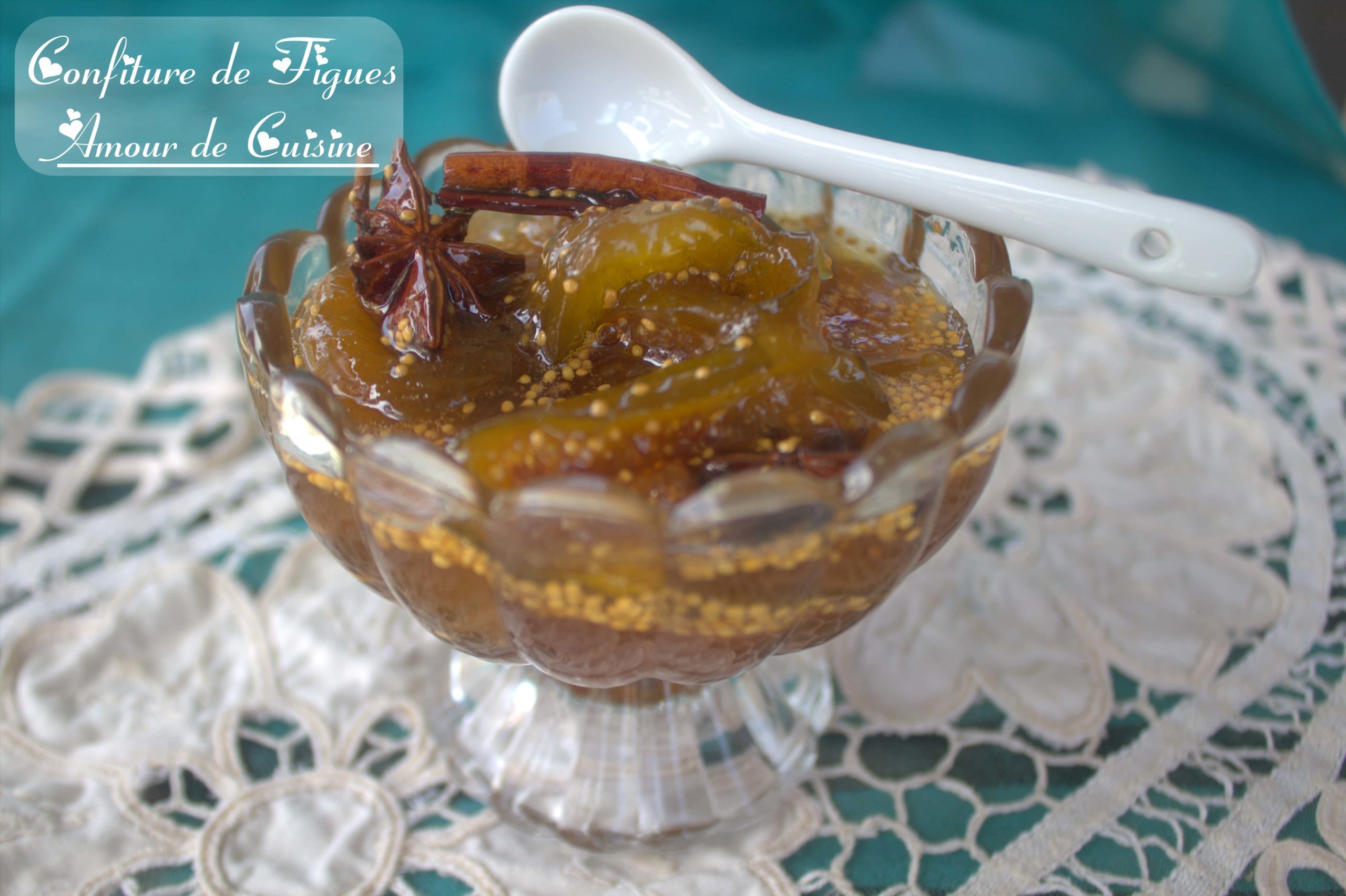
- Warm spices give it an original flavor without overpowering the figs.
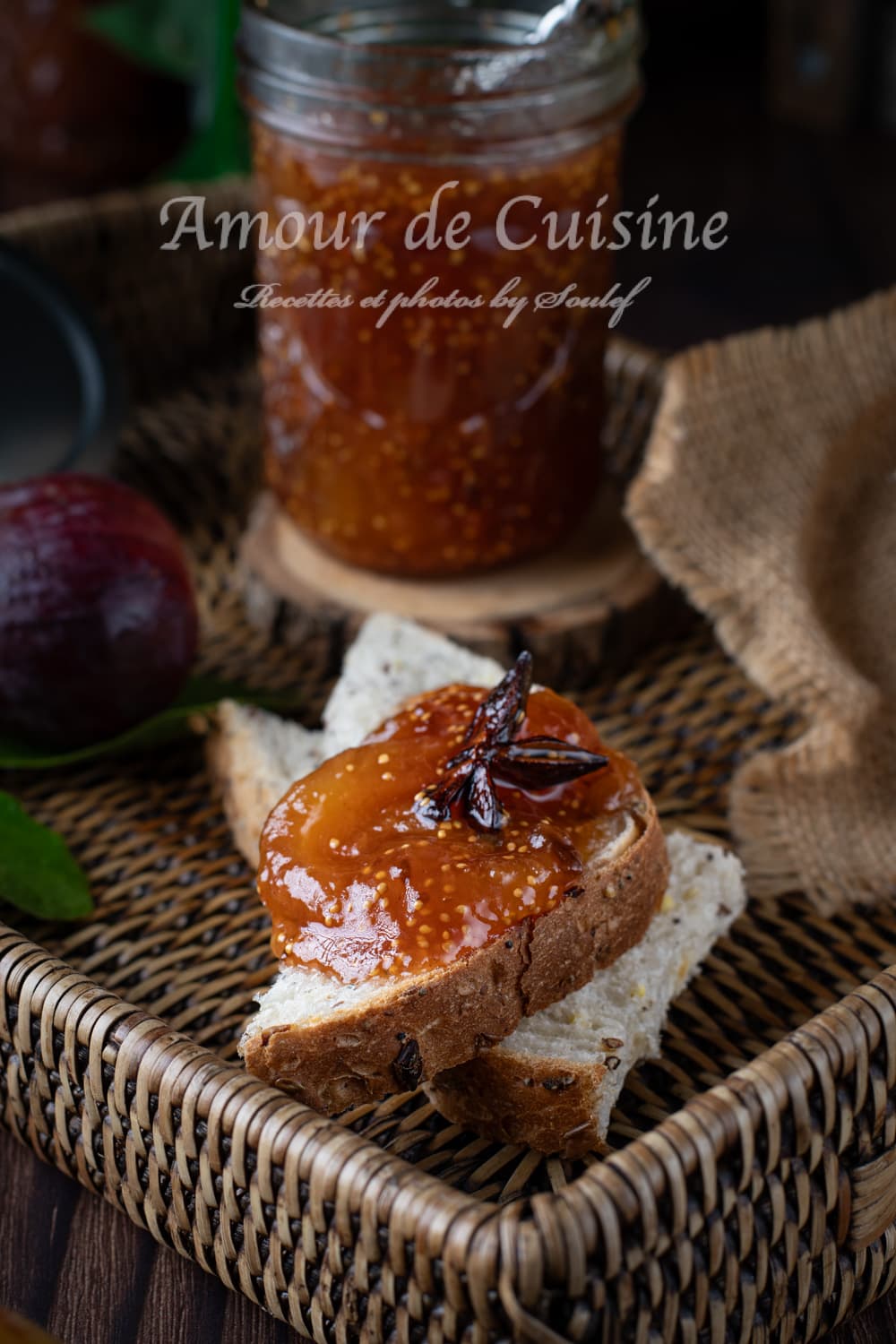
- It is delicious on toast, with yogurt or as part of a cheese board.
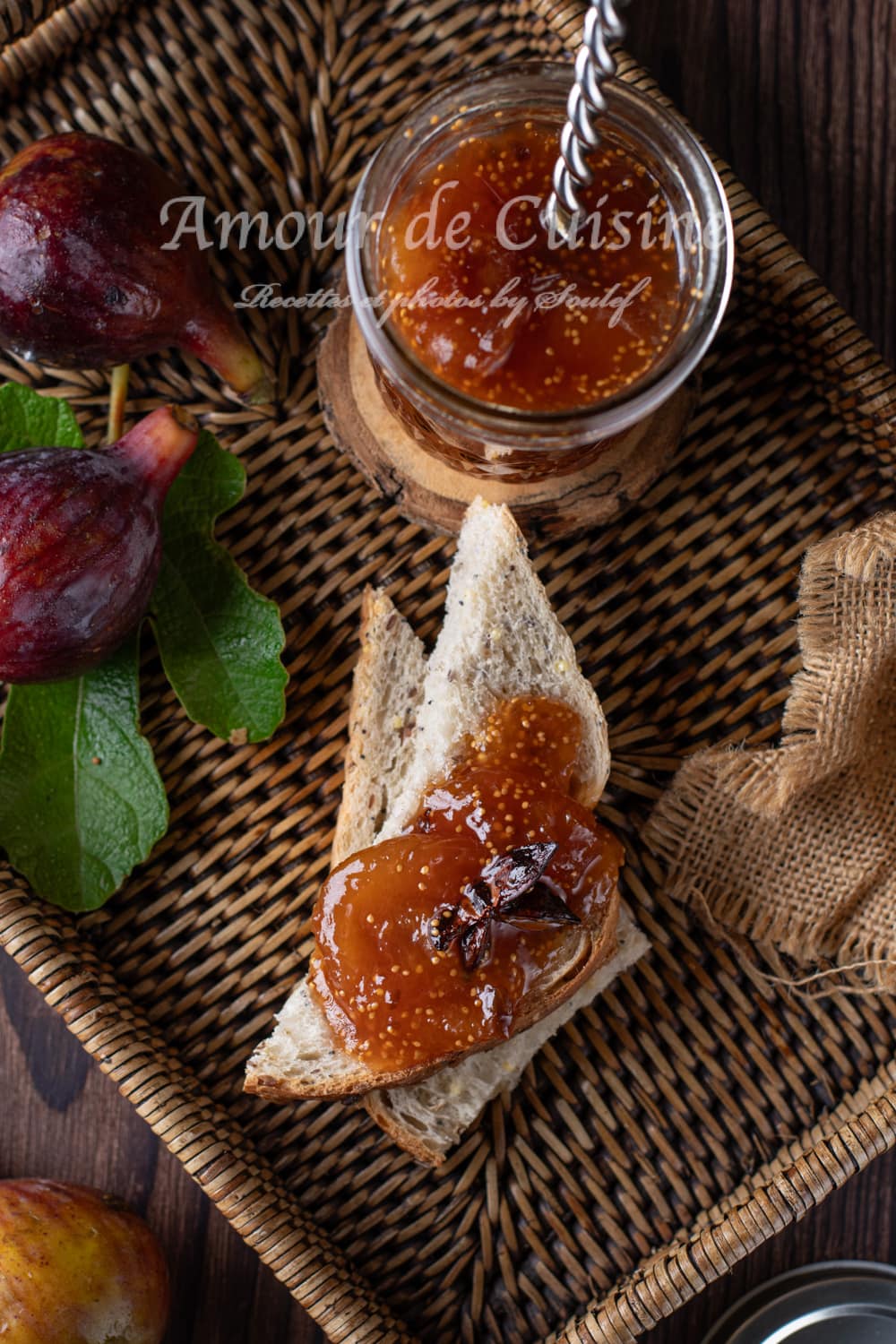
Ingredients for old-fashioned fig preserves
This recipe makes approximately three 8-ounce jars. The exact yield will vary slightly depending on how juicy the figs are and how much liquid evaporates during cooking.
- 1 pound 10 ounces fresh figs, about 750 g: choose ripe, fragrant fruit without mold or badly bruised areas. Black figs produce a dark, deeply flavored jam, while green or white figs create a lighter, golden preserve.
- 1½ cups plus 1 tablespoon granulated sugar, about 320 g: this gives you a fruit-forward jam that is not excessively sweet. Sugar also contributes to the final consistency and keeping quality.
- 3 tablespoons plus 1 teaspoon water, about 50 ml: the water prevents the fruit from catching before it releases its juice. Use less if your figs are exceptionally juicy.
- Juice of ½ lemon, about 1 tablespoon: lemon balances the sweetness, brightens the fig flavor and helps the jam set.
- ½ teaspoon butter, optional: this small amount helps reduce foaming. You can leave it out and skim off any foam instead.
- 1 whole star anise: it adds a subtle licorice-like note that pairs beautifully with figs.
- 1 cinnamon stick: a whole stick adds gentle warmth without leaving ground spice in the finished jam.
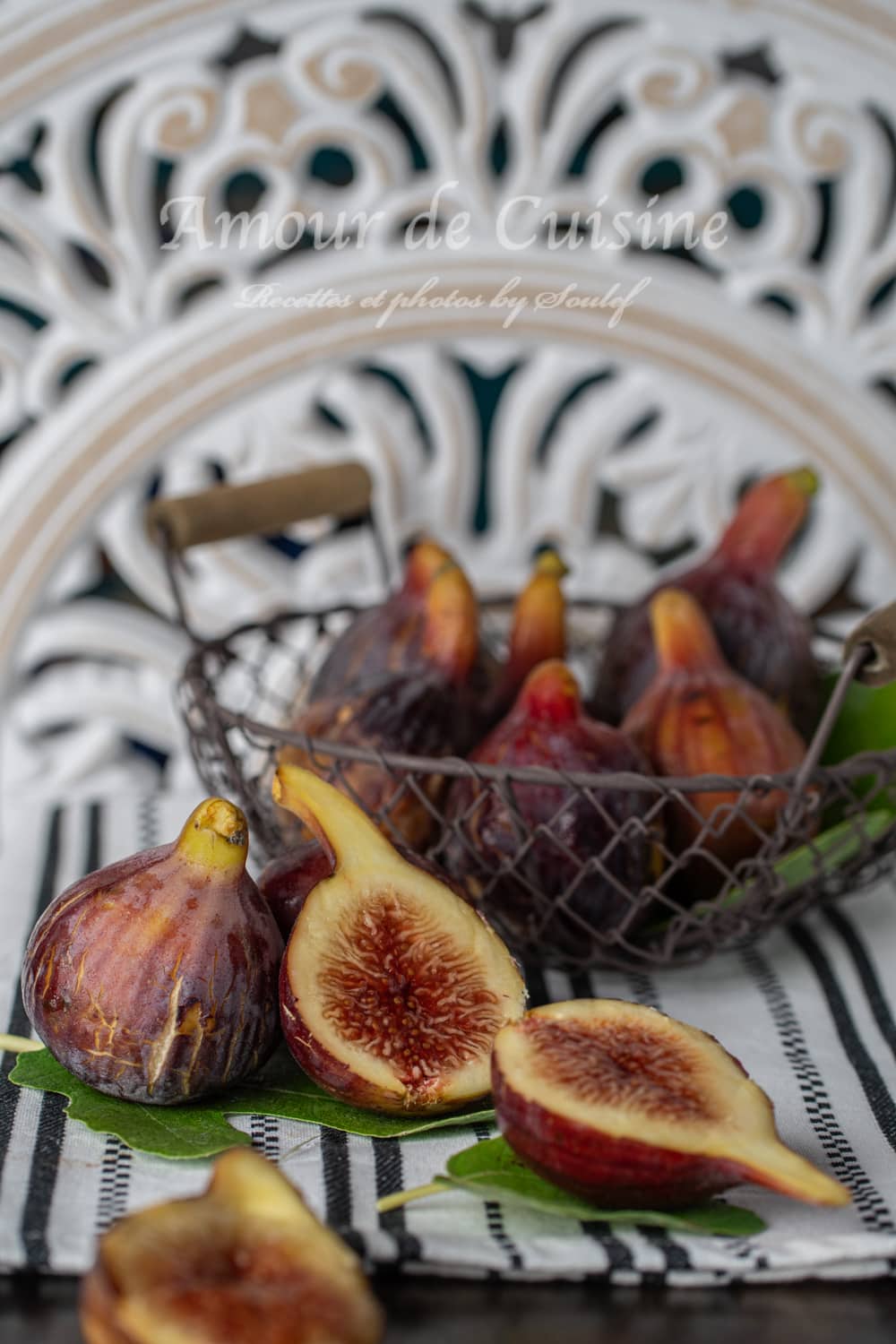
What are the best figs for making jam?
The best figs for jam are ripe, soft to the touch and naturally fragrant, but they should not be fermented, moldy or badly damaged. The riper the fruit, the more juice and natural sweetness it will contribute to the preserves.
I often use beautiful black figs from Algeria. They are plump and honey-sweet, with a very thin skin that softens easily during cooking. However, this fig jam recipe works with several varieties.
- Black or purple figs: these produce a dark preserve with a deep, rich flavor.
- Green or white figs: these give the jam a lighter golden color and a more delicate flavor. Remove part of the skin only if it feels unusually thick or tough.
- Very ripe figs: these break down more easily and produce a smoother, softer jam.
- Ripe but still firm figs: these are the best choice when you want visible pieces of fruit or a whole-fruit preserve texture.
You do not need a particular commercial variety to make good fig preserves. Fresh, flavorful fruit at its seasonal best is more important than the name of the variety.
How to make fig jam
This homemade fig jam is prepared in two stages. The figs first macerate with sugar overnight, then cook gently the following day until the syrup thickens and the fruit becomes tender.
1. Prepare the fresh figs
Rinse the figs briefly under cool running water. Avoid soaking them, as the fruit can absorb excess moisture. Pat them dry with a clean kitchen towel, then remove the stems.
Cut small figs in half and larger ones into quarters. There is no need to peel thin-skinned figs. If you are using green or white figs with particularly tough skins, you can remove only the thickest parts.
2. Macerate the fruit overnight
Place the prepared figs in a large nonreactive bowl. Sprinkle the sugar evenly over the fruit, add the water and gently mix without crushing the pieces.
Cover the bowl and refrigerate for about 12 hours. By the following day, most of the sugar should have dissolved and the figs should be surrounded by a fragrant natural syrup.
This overnight rest is useful because it draws juice from the fruit before cooking begins. It also helps the figs cook more evenly and gives the finished jam a fuller flavor.
3. Cook the fig jam
Transfer the figs and all their macerating liquid to a wide, heavy-bottomed saucepan. Add the lemon juice, star anise, cinnamon stick and butter, if using.
Warm the mixture gradually over medium heat. Stir gently until it begins to simmer, then reduce the heat slightly and maintain a steady but not violent boil.
Cook for approximately 25 to 30 minutes. Stir occasionally at first, then more frequently toward the end, when the syrup begins to thicken and is more likely to stick.
If you enjoy chunky fig preserves, stir carefully and leave most of the fruit intact. For a more spreadable jam, press a few pieces of fig against the side of the pan with a wooden spoon. There is no need to blend the entire mixture.
How long should fig jam cook?
For the quantity used in this recipe, fig jam usually needs 25 to 30 minutes of cooking after it reaches a simmer. The exact time depends on the width of your pan, the ripeness of the figs and how much water they contain.
A wide pan encourages evaporation and may shorten the cooking time. Very juicy or previously frozen figs can take a few minutes longer. For this reason, use the cooking time as a guide and confirm the consistency with the cold-plate test.
How to tell when fig jam is done
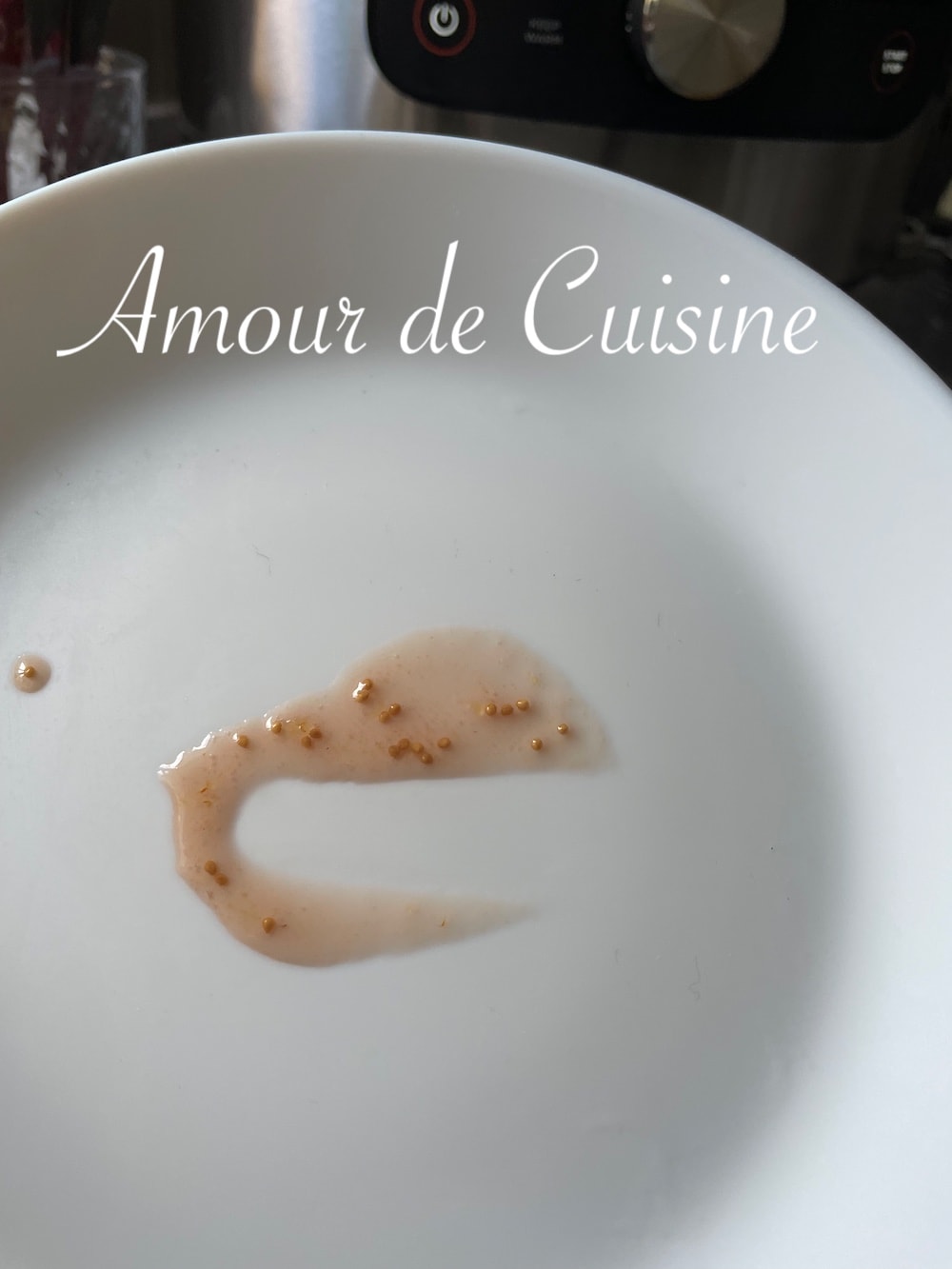
Place a small plate in the freezer before you begin cooking. When the jam has cooked for about 25 minutes, place a small spoonful on the chilled plate and wait several seconds.
- If the jam runs immediately when you tilt the plate, cook it for another 2 to 3 minutes and test again.
- If it moves slowly and wrinkles slightly when pushed with your fingertip, it is ready.
- If you use a candy or jam thermometer, the mixture will generally reach about 220°F or 104–105°C.
Remember that hot jam always looks looser than cooled jam. It will continue to thicken as it cools, so avoid cooking it until it becomes stiff in the pan.
Filling the jars
Prepare clean jars, new or undamaged lids and all the necessary equipment before cooking the jam. Use jars specifically designed for preserving and follow a tested processing method if you intend to store the jam at room temperature.
- Remove the star anise and cinnamon stick from the finished jam.
- Ladle the hot jam into clean, hot jars, leaving the headspace required by your tested canning method.
- Remove trapped air bubbles if required, then wipe the rims carefully.
- Fit the lids and process the jars according to a tested water-bath canning recipe suitable for your jar size and altitude.
- Allow the jars to cool undisturbed, then check the seals and label them with the preparation date.
Simply turning filled jars upside down is not a substitute for a tested water-bath canning process. If you do not use a validated canning method, refrigerate or freeze the jam instead of storing it in the pantry.

How much sugar should you use in fig jam?
The amount of sugar required depends on the ripeness of the figs, the desired consistency and how you plan to store the finished jam. This recipe uses 320 g of sugar for 750 g of figs, or approximately 15 ounces of sugar for every 2.2 pounds of fruit.
This ratio produces a fig-forward jam that is less sweet than many traditional preserves. However, sugar does more than sweeten the fruit: it also contributes to the set and keeping quality.
Reducing the sugar further may produce a softer spread and can affect safe shelf storage. Unless you are using a tested low-sugar canning recipe and the appropriate pectin, keep a reduced-sugar batch refrigerated or frozen.
For a fruit spread with no added sugar, try my sugar-free fig compote. Its preparation and storage guidance are better suited to a no-sugar recipe.
Can you make fig jam with frozen figs?
Yes, frozen figs work well in homemade fig jam. Their texture becomes softer after thawing, but this is not a problem because the fruit will be cooked. The finished preserve may simply contain fewer clearly defined pieces of fruit.
- For the best results, freeze figs after washing, drying, stemming and halving them.
- Thaw them in the refrigerator in a bowl that will catch all their juice.
- Weigh the figs after thawing and include the released juice in the recipe.
- Do not add all the water at the beginning. Start without it and add only a little if the fruit seems dry.
- Allow a few extra minutes of cooking if the thawed figs release a large amount of liquid.
You can also combine partially frozen figs with the sugar and leave them in the refrigerator overnight. The fruit will thaw slowly as it macerates.
My best tips for perfect fig preserves
- Use a wide saucepan: a larger surface area encourages evaporation, helping the jam thicken without excessive cooking.
- Adjust the water to the fruit: very juicy or thawed figs may not require any added water.
- Avoid excessively high heat: the sugar can caramelize before the fruit has had time to soften.
- Stir more often near the end: once the syrup thickens, it can catch on the bottom of the pan very quickly.
- Remove the whole spices before filling the jars: leaving them in the jam can make their flavor too strong over time.
- Do not double the batch in the same pan: a large volume heats and evaporates unevenly, making the setting point more difficult to judge.
- Keep some figs intact: use ripe but firm figs and handle them gently if you prefer whole fig preserves.
Troubleshooting homemade fig jam
Why is my fig jam too runny?
The fruit may have been particularly juicy, or the jam may not have cooked long enough. Return it to a wide saucepan, add a little lemon juice and cook it for another 2 to 3 minutes before repeating the cold-plate test.
Allow the jam to cool completely before deciding that it is too loose. Freshly cooked jam is always more fluid while hot.
How can I thicken fig jam without agar-agar?
Use a wider pan and extend the cooking time slightly to encourage evaporation. Lemon juice can help, and a small amount of grated apple contributes natural pectin. Avoid adding too much apple if you want the flavor to remain distinctly fig-based.
What can I do with underripe figs?
Underripe figs contain less juice and are not as fragrant. Cut them into smaller pieces, use the full amount of water and allow them to macerate overnight. For better flavor, combine them with some very ripe figs.
Why did my fig jam become too thick?
It was probably cooked for too long. Warm it gently with 1 or 2 tablespoons of water or lemon juice, stirring until it reaches a softer, more spreadable consistency.
Why is there foam on top of the jam?
A small amount of foam is normal. Skim it from the surface with a small spoon before filling the jars. The optional ½ teaspoon of butter also helps reduce foaming.
Why did my jam develop mold?
Mold can result from contaminated jars, a failed seal, improper processing or storage after opening. Do not scrape mold from jam and eat the remainder. Discard the entire contents of the jar.
How to store homemade fig jam
This recipe contains a moderate amount of sugar. Its storage life therefore depends on the final sugar concentration, acidity, jar preparation and processing method.
- Pantry storage: only store sealed jars at room temperature when they have been processed using a current, tested water-bath canning method.
- Refrigerator storage: refrigerate the jam if you have not used a validated canning process.
- After opening: always refrigerate the jar and use a clean spoon each time.
- Freezer storage: cool the jam before transferring it to freezer-safe containers. Leave room for expansion and thaw it in the refrigerator.
Discard the contents without tasting if a jar leaks, the lid is bulging or unsealed, or the jam has mold, an unusual odor, unexpected bubbles or any other sign of spoilage.
Flavor variations for homemade fig jam
- Vanilla fig jam: replace the cinnamon and star anise with one split vanilla bean.
- Fig and apple jam: add a peeled apple cut into small cubes. The apple contributes mild acidity and natural pectin.
- Spiced fig jam: combine the cinnamon with a small pinch of cardamom. Avoid adding too many spices, as they can overpower the fruit.
- Fig and almond preserves: stir in a small amount of toasted slivered almonds near the end of cooking for a contrasting texture.
- Fig and orange jam: replace part of the lemon juice with orange juice and add a little finely grated orange zest.
For a savory variation to serve with cheese and meats, try my homemade fig confit with balsamic vinegar or this easy homemade fig chutney.
Fig jam vs. fig preserves: what is the difference?
The terms are often used interchangeably in everyday American English. However, “fig preserves” usually suggests a chunkier product containing large or nearly whole pieces of fruit, while “fig jam” is generally softer and more evenly spreadable.
This recipe can produce either texture. Leave the figs largely intact for whole fig preserves, or crush part of the cooked fruit for a more traditional fig jam consistency.
How to serve fig jam
Homemade fig jam is not limited to breakfast toast. Its rich, honeyed flavor works in sweet and savory dishes throughout the year.
- Spread it on toast, croissants, homemade bread or soft dinner rolls.
- Spoon it over Greek yogurt, oatmeal or vanilla ice cream.
- Serve it with goat cheese, Brie, Camembert or blue cheese.
- Add it to a grilled cheese sandwich or turkey sandwich.
- Use it as a filling for cookies, thumbprints, cakes or pastry.
- Brush a small amount over roasted meat as part of a sweet and savory glaze.
- Serve it with soft Hokkaido milk bread for breakfast or brunch.
Frequently asked questions
Do figs need to be peeled before making jam?
No. Fig skin is edible and softens as the fruit cooks. Remove only particularly thick or tough sections of skin.
Why add lemon juice to fig jam?
Lemon juice balances the natural sweetness of the figs, brightens their flavor and contributes acidity and pectin, both of which help the finished jam set.
Can I make this fig jam with less sugar?
You can reduce the sugar, but the jam may be softer and unsuitable for pantry storage unless you use a tested low-sugar canning formula. Refrigerate or freeze a further-reduced batch.
Is this a sugar-free fig jam?
No. This recipe contains less sugar than many traditional preserves, but it is not sugar-free. For a no-added-sugar alternative, make the sugar-free fig compote.
Can I omit the cinnamon and star anise?
Yes. The spices are optional. Make a simple fig jam with only figs, sugar and lemon, or replace them with vanilla.
Can I keep whole pieces of fig in the jam?
Yes. Choose ripe but still firm fruit, cut it into halves and stir gently while cooking. Do not blend the finished preserves.
Can I make fig jam in a pressure cooker?
Pressure cooking is not ideal for jam because it limits the evaporation needed to concentrate the fruit. A wide, uncovered saucepan gives you much better control over the consistency.
What alcohol pairs well with fig jam?
Dark rum, port and brandy all complement figs. For an adults-only variation, stir about 1 tablespoon into the jam after removing the pan from the heat.
More fig recipes to try
- Fig and almond clafoutis
- Sugar-free fig compote
- Homemade fig confit with balsamic vinegar
- Easy homemade fig chutney
Easy Homemade Fig Jam Recipe
- Total Time: 12 hours 40 minutes
- Yield: 3 small 8-ounce jars 1x
Description
This easy homemade fig jam is made with ripe fresh figs, lemon juice and a moderate amount of sugar. Overnight maceration brings out the fruit’s natural juices, while cinnamon and star anise add a gentle warmth without overpowering the figs.
The recipe works with black, purple, green or white figs and makes approximately three small jars of soft, fruit-filled preserves.
Ingredients
1 lb 10 oz (750 g) fresh ripe figs
1½ cups plus 1 tablespoon (320 g) granulated sugar
3 tablespoons plus 1 teaspoon (50 ml) water, as needed
1 tablespoon fresh lemon juice, or the juice of ½ lemon
½ teaspoon butter, optional
1 whole star anise
1 cinnamon stick
Instructions
Prepare the figs
-
Sort through the figs and discard any fruit showing mold, fermentation or extensive damage.
-
Rinse the figs briefly under cool running water. Avoid soaking them, as they can absorb unnecessary moisture.
-
Pat the fruit dry with a clean kitchen towel, then remove the firm stems.
-
Cut small figs in half and larger figs into quarters. Keeping the pieces fairly large will give the finished jam a chunkier texture.
-
Leave thin fig skins in place. If green or white figs have unusually thick skins, remove only the toughest sections.
Macerate overnight
-
Transfer the prepared figs to a large glass or stainless-steel bowl.
-
Sprinkle the sugar evenly over the fruit, then pour in the water.
-
Fold everything together gently, taking care not to crush the figs.
-
Cover the bowl and refrigerate for approximately 12 hours. During this time, the sugar will dissolve and draw a fragrant syrup from the fruit.
Cook the fig jam
-
The following day, transfer the figs and every drop of their macerating liquid to a wide, heavy-bottomed saucepan.
-
Add the lemon juice, star anise, cinnamon stick and optional butter.
-
Place the saucepan over medium heat. Warm the mixture gradually, stirring occasionally, until the syrup begins to simmer.
-
Once it reaches a steady simmer, reduce the heat slightly. The jam should bubble regularly without boiling so vigorously that it splashes.
-
Cook for 25 to 30 minutes. Stir occasionally during the first half of cooking and increasingly often as the syrup thickens.
-
Skim off any foam that collects on the surface. The optional butter will reduce the amount of foam but may not eliminate it completely.
-
For chunky fig preserves, leave most of the fruit intact. For a more spreadable fig jam, press several softened pieces against the side of the saucepan with a wooden spoon.
Check the consistency
-
Place a small spoonful of jam on a plate that has been chilled in the freezer. Wait for 20 to 30 seconds, then tilt the plate.
-
If the jam runs quickly, continue cooking for another 2 to 3 minutes before testing again. It is ready when it moves slowly and wrinkles slightly when pushed with a fingertip.
-
If using a candy or jam thermometer, look for a temperature of approximately 220°F (104–105°C). Remember that the jam will become thicker as it cools.
Fill and store
-
Remove the cinnamon stick and star anise, then ladle the hot jam into clean, heat-safe jars. Wipe the rims carefully and close with clean, undamaged lids.
-
If you are not following a current, tested water-bath canning process, allow the jars to cool and store them in the refrigerator.
-
Label each cooled jar with the preparation date. Always refrigerate after opening and use a clean spoon when serving.
- Prep Time: 15 min
- Macerating time: 12 hours
- Cook Time: 25 min
Nutrition
- Serving Size: 1 tbsp
- Calories: 42 kcal
by Soulef