Batbout – Moroccan Pita Bread Recipe

Batbout is a classic Moroccan pita bread cooked on a skillet, known for its soft crumb and pocket-like puff.
These small round breads are quick to make, need no oven, and suit both savoury and sweet fillings.
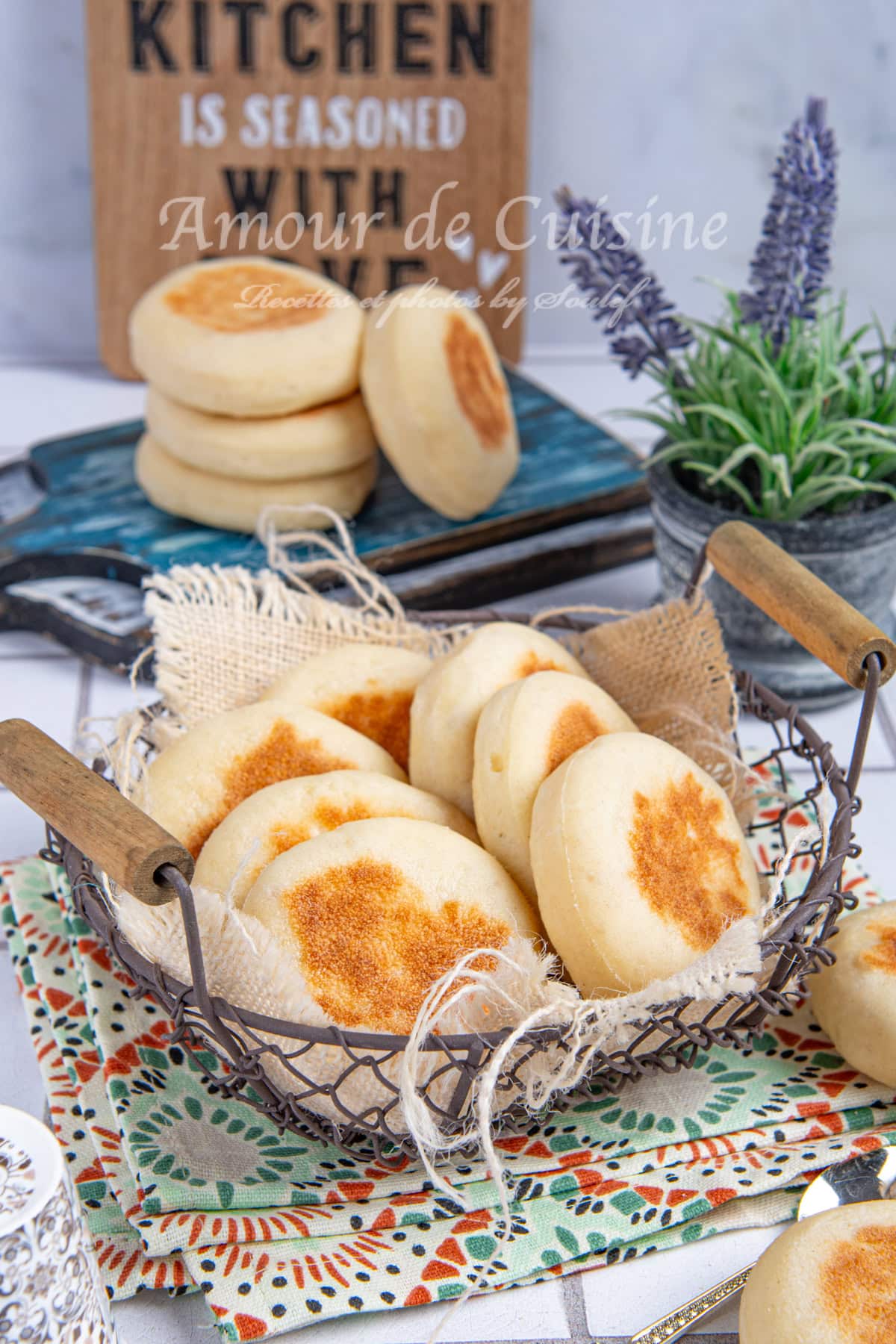
Moroccan Batbout (Moroccan Pita Bread / Moroccan Flat Bread): Soft Skillet Bread That Puffs Up
Today I’m sharing a true Moroccan staple: batbout, a soft, airy flatbread made with flour and cooked on a skillet, not in the oven.
Somewhere between pita and matlouh, it puffs up beautifully as it cooks, creating a handy pocket that’s perfect for stuffing.
Batbout is ideal for homemade sandwiches, great for a quick lunch, a picnic, or an easy dinner when you want something satisfying without much effort.
One of its best features is how simple it is: everyday ingredients like flour, yeast, and water come together fast, and the pan-cooking method means you don’t need special equipment.
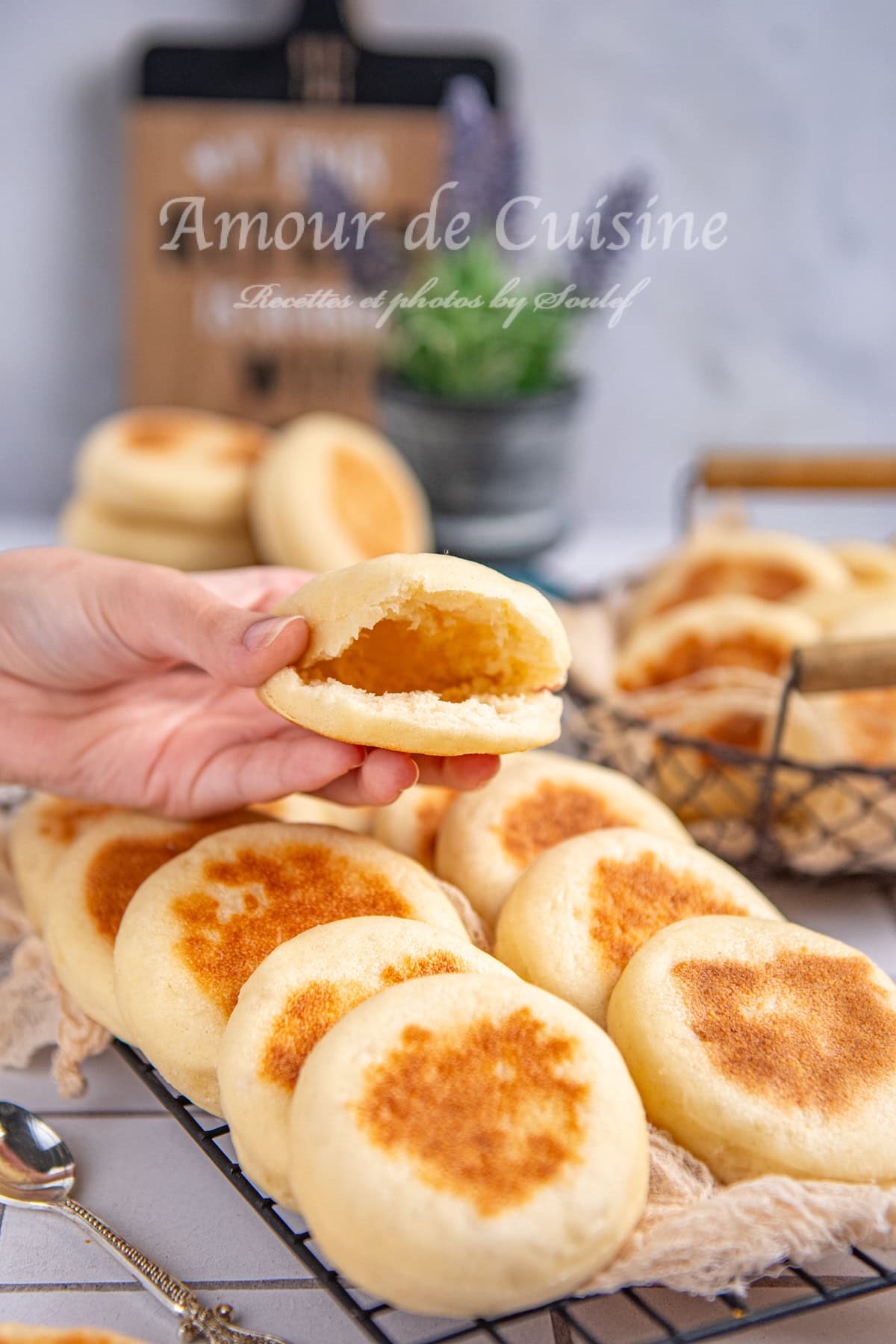
The result is exactly what you want in a good flatbread: a light, slightly crisp exterior with an ultra-soft, fluffy inside.
Stuff it for a hearty option, or keep it plain and serve it warm with a drizzle of olive oil.
In Morocco, batbout is also a favourite during Ramadan, especially alongside harira, a comforting bowl of chorba, or as a simple bread to complete the table.
Easy, quick, and reliably delicious, it’s the kind of recipe you’ll make once, and then keep on repeat.
Ingredients for Soft Moroccan Batbout (Semolina-Free)
- 1 kg plain white flour (T45 or T55): Choose a fine white flour for a light, fluffy crumb and a softer bread.
- 1 tbsp salt: Balances flavour and helps strengthen the dough. Add it after the yeast (or on the opposite side of the bowl) so it doesn’t slow fermentation.
- 40 g fresh baker’s yeast or 20 g instant dry yeast: Fresh yeast tends to kick-start rising faster. If using dry yeast, mix it with a little warm water and let it sit for 5 minutes before adding.
- 1–2 tbsp vegetable oil (olive or sunflower): Makes the dough more supple, easier to handle, and helps keep the crumb tender.
- About 600 ml warm water (35-40°C): Add gradually until you get a dough that’s soft and slightly sticky, that’s what gives batbout its airy texture.
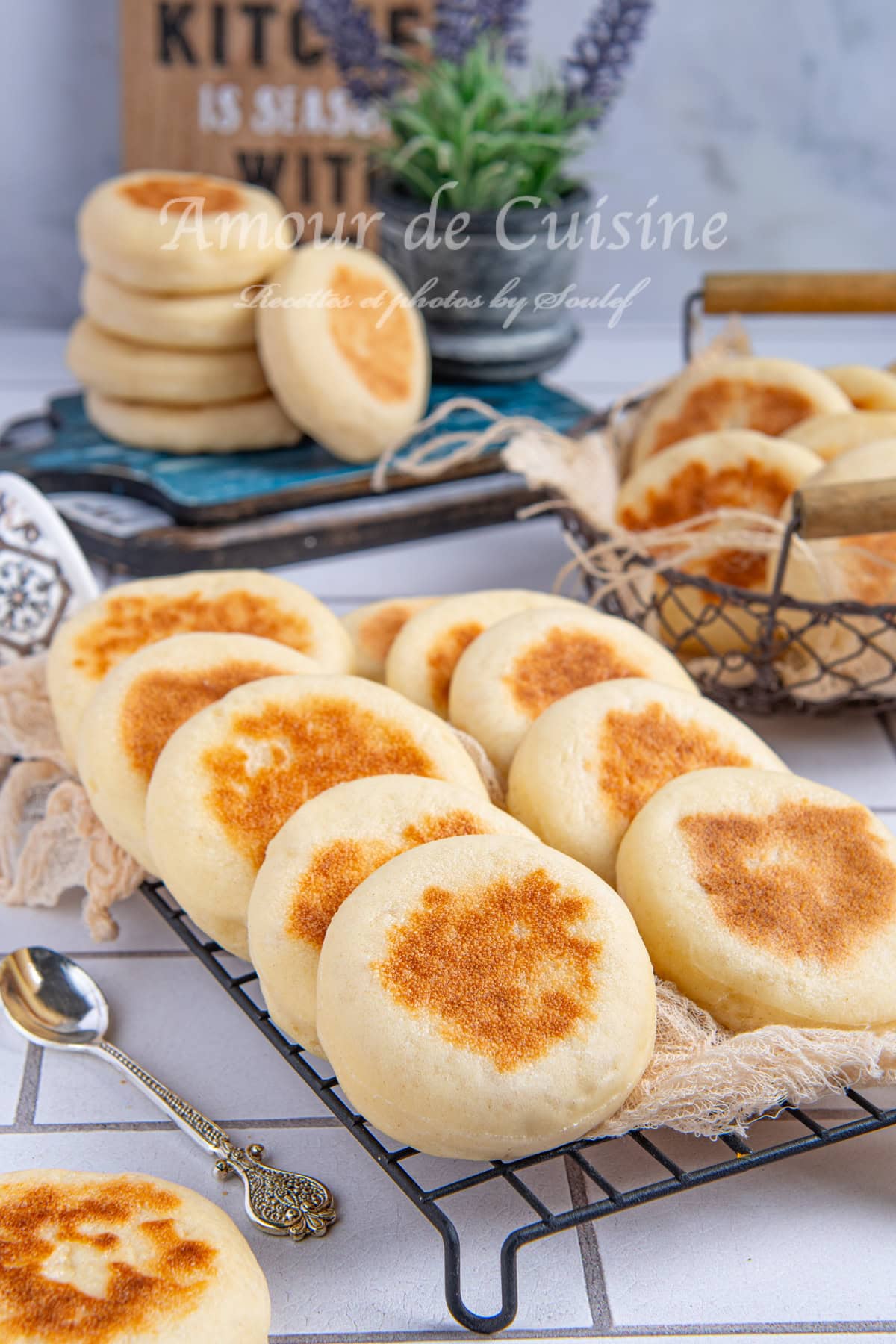
Easy Moroccan Batbout Recipe: Step-by-Step Method for Soft, Puffy Flatbreads
Follow these clear steps to make soft, well-puffed batbouts, perfect for sandwiches or served alongside Moroccan soups.
Dough preparation
- Mix the dry ingredients
- Place 1 kg plain flour in the bowl of a stand mixer, Thermomix, or a large mixing bowl if kneading by hand.
- Add 1 tablespoon salt and mix well so it’s evenly distributed, keeping it away from the yeast.
- Add yeast and oil
- Add 40 g fresh baker’s yeast (or 20 g instant dry yeast).
- Pour in 1–2 tablespoons vegetable oil to help create a soft, tender crumb.
- If using dry yeast, dissolve it in a little warm water and let it sit for 5 minutes before adding.
- Knead the dough
- Gradually add about 600 ml warm water, mixing as you go.
- Knead for 15–20 minutes until the dough is smooth and elastic.
- The dough will feel sticky at first, then become more supple as the gluten develops.
- First rise
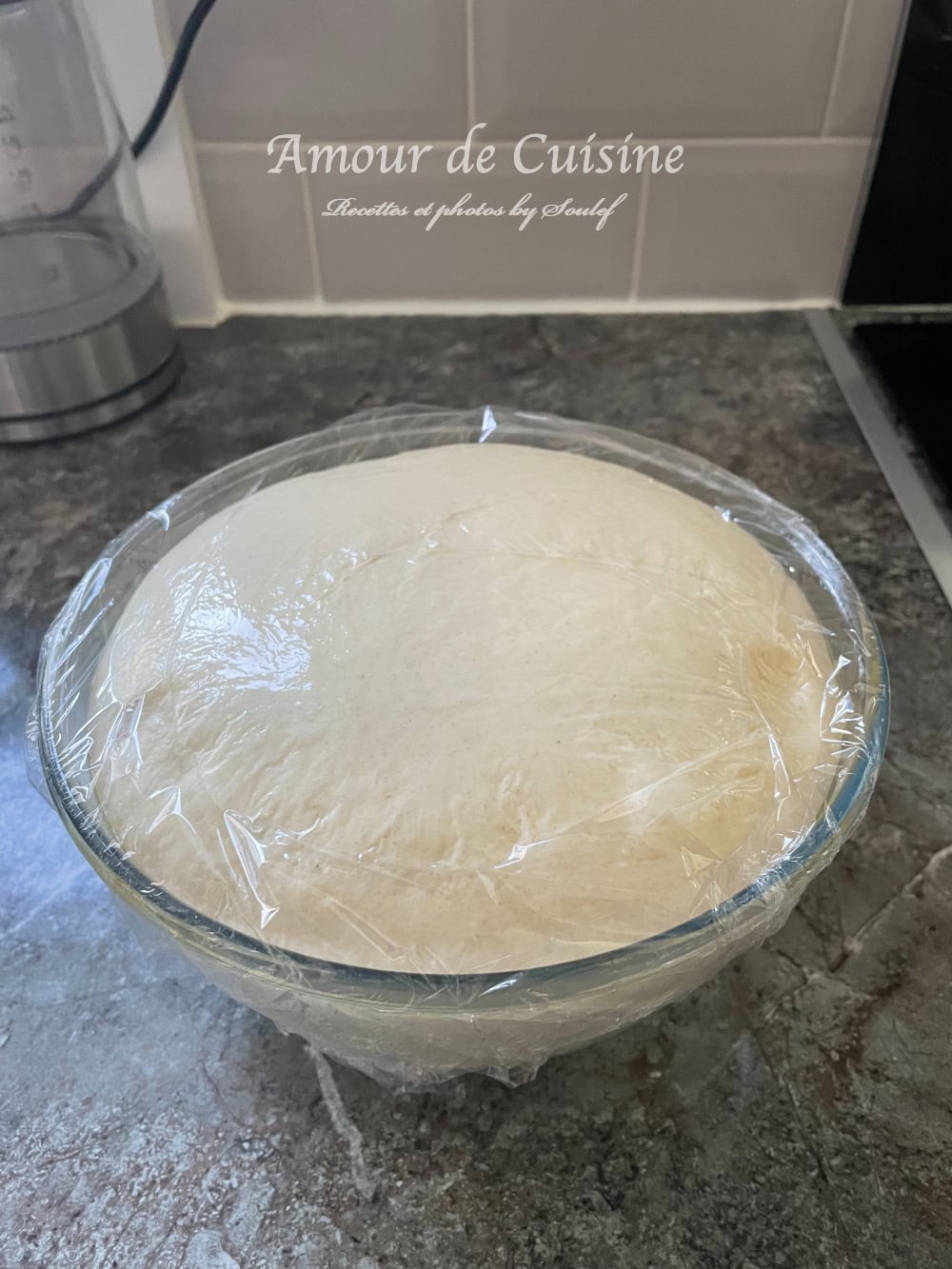
- Lightly oil the dough to prevent drying.
- Place it in a greased bowl, cover with a clean towel, and let it rise in a warm place until doubled in size (about 1 hour).
Shaping the batbouts
- Deflate and shape
- Gently press the dough to release excess air, without kneading again.
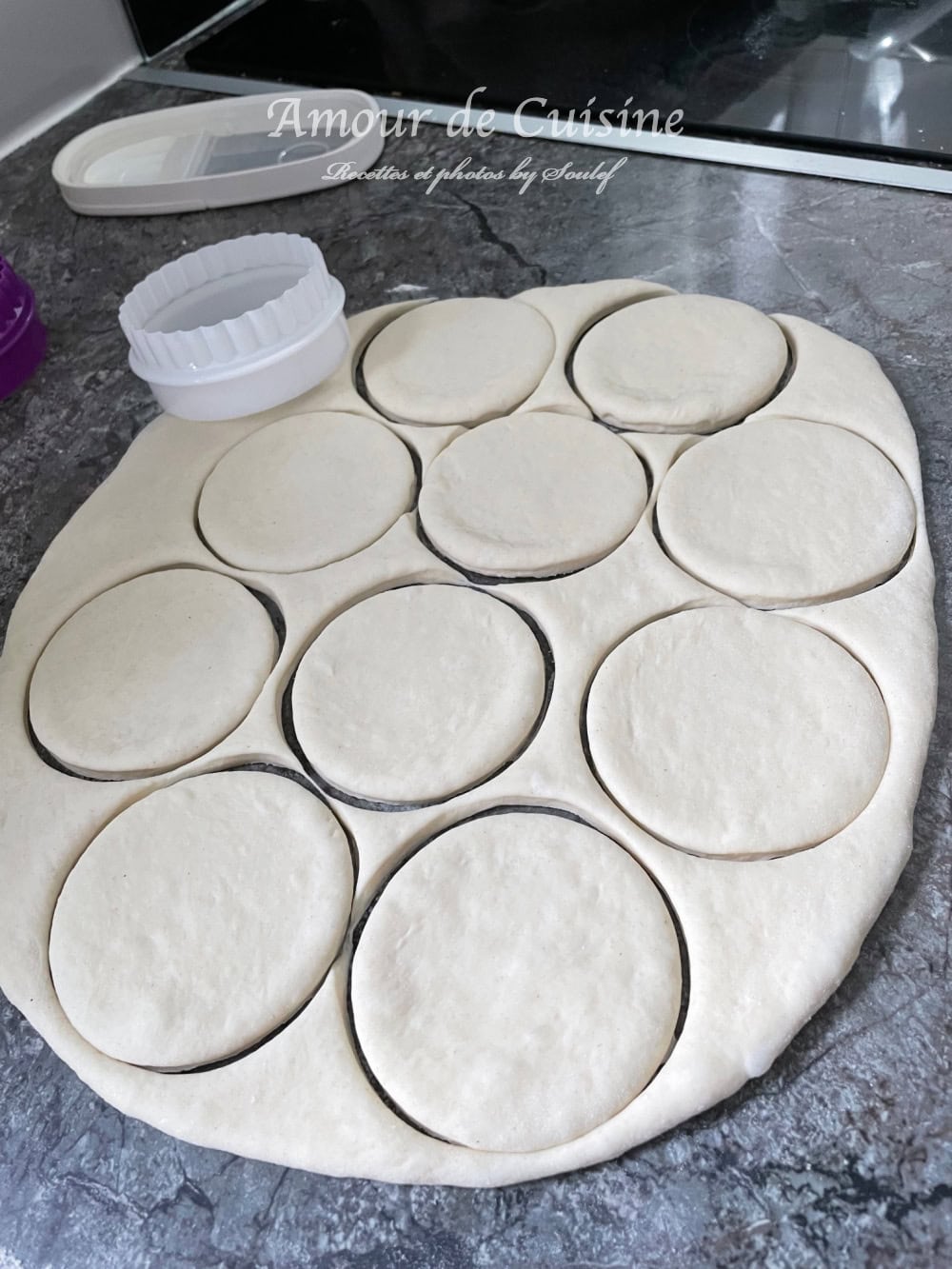
- Transfer to a lightly floured surface and divide into egg-sized balls.
- Flatten each ball into a disc about 5 mm thick.
- Tip: thinner discs help create a better pocket during cooking.
- Second rest
- Place the discs on a lightly floured cloth, cover with a clean towel, and let them rest until puffy and doubled.
- Keep them warm and away from drafts so they stay soft.
Cooking the batbouts
- Skillet cooking
- Heat a heavy pan (cast iron or non-stick) over medium heat.
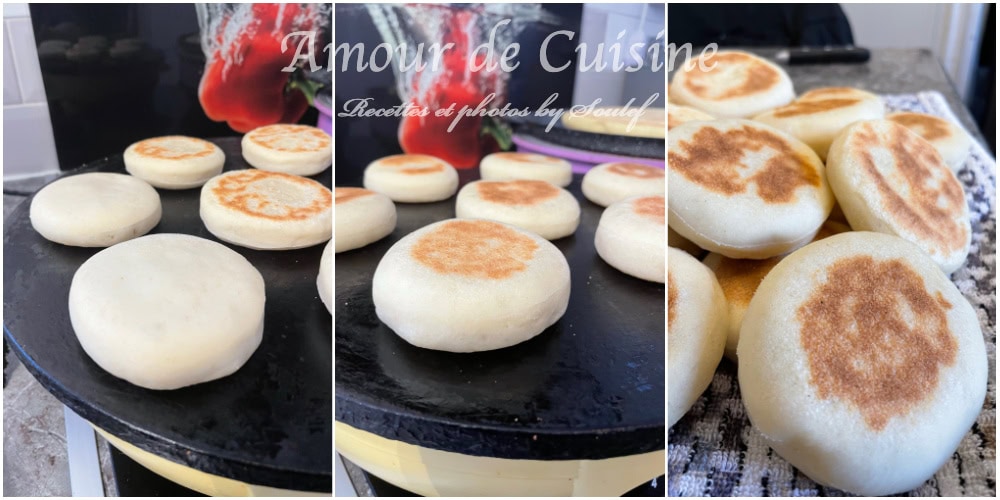
- Place one batbout in the pan and cook until the underside is lightly golden.
- Flip it over, this is when it should start to puff up.
- Even cooking and finish
- Turn the bread regularly to ensure even cooking on both sides.
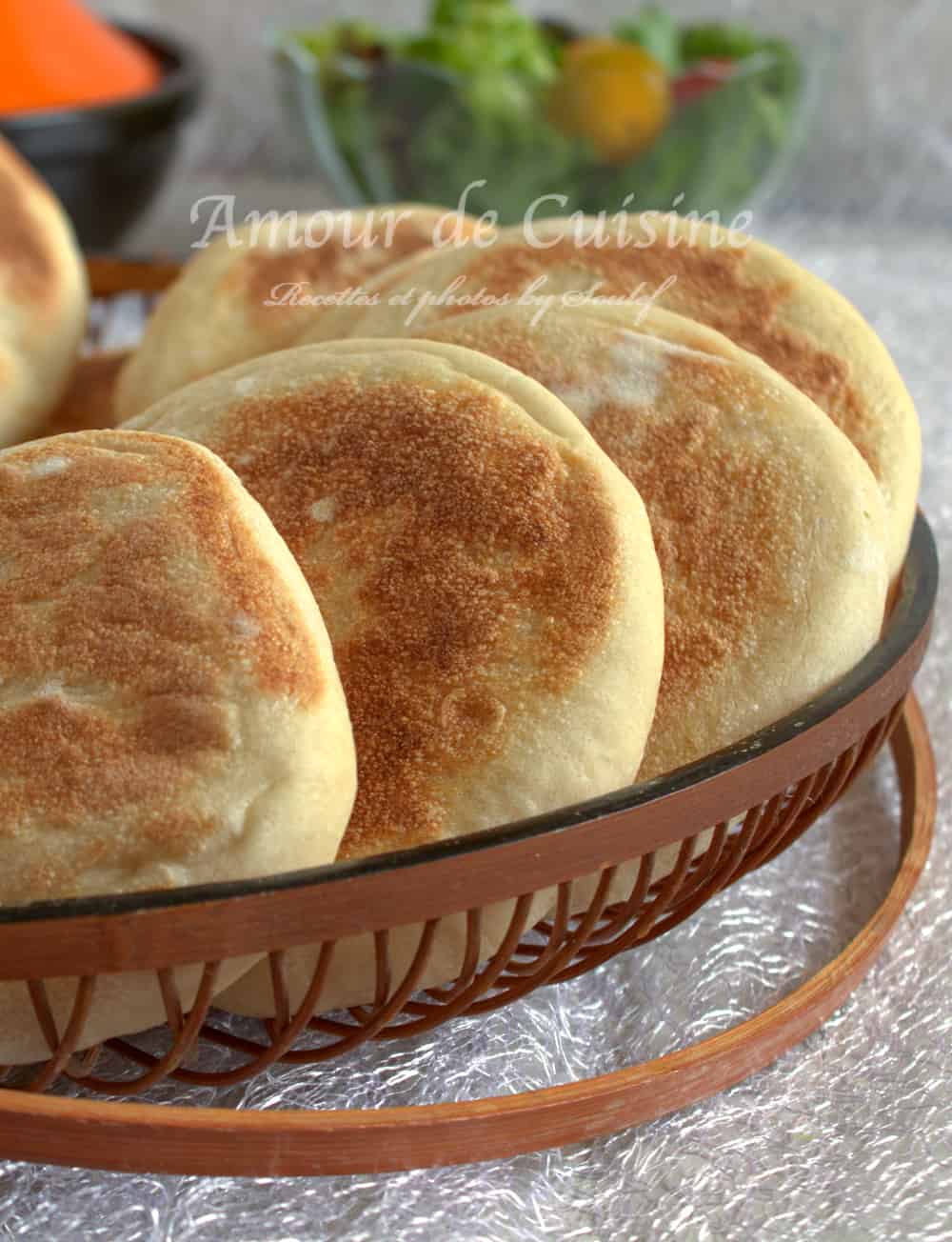
- The batbout should be golden outside, soft inside, with a clear air pocket.
- Important: avoid high heat, which hardens the crust and prevents proper puffing.
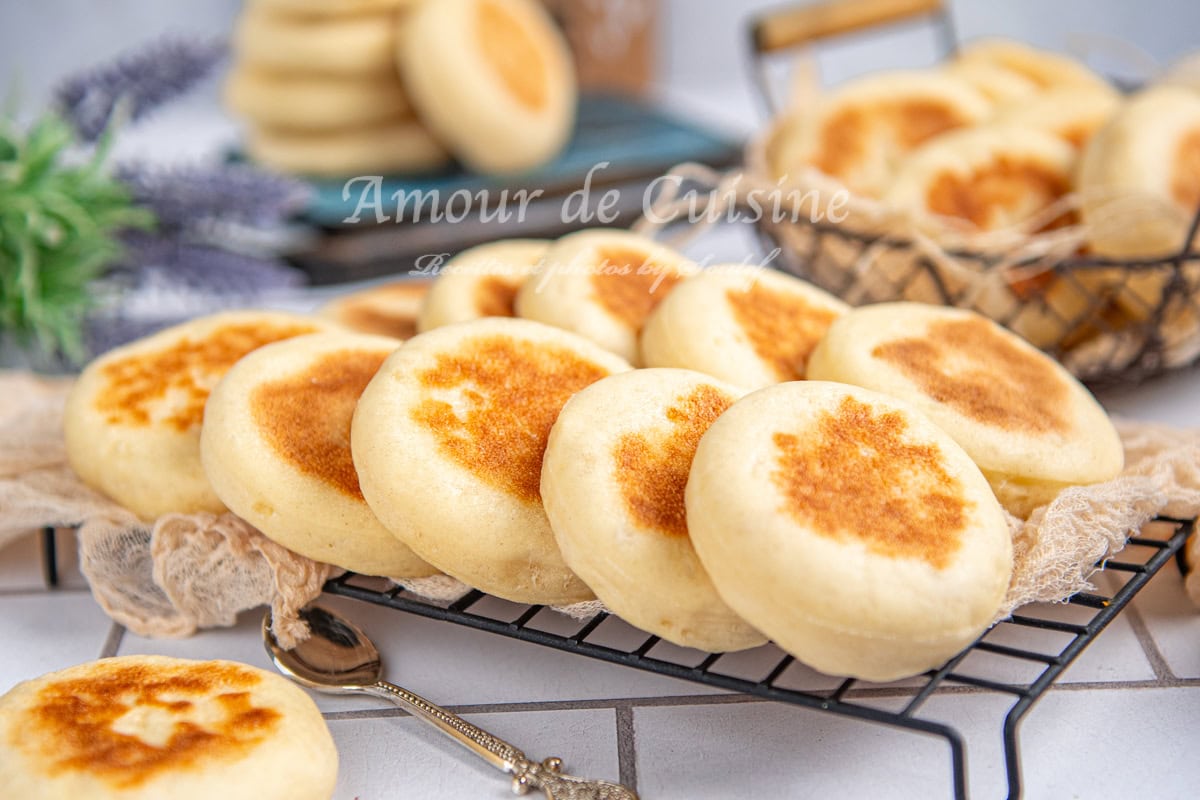
Your homemade Moroccan batbouts are ready. Fill them with your favourite savoury or sweet fillings, or enjoy them warm just as they are.
Must-Know Tips for Perfect Moroccan Batbout (Soft, Puffy, and Airy)
- Kneading: the key to a great batbout
- Knead for 15-20 minutes to develop gluten and get a smooth, elastic dough.
- Aim for the right texture: the dough should feel slightly sticky at first, then become more supple and smoother as you knead.
- Proofing: for a well-risen, airy bread
- First rise: let the dough rise for at least 1 hour, until it doubles in size.
- Keep it warm and draft-free: place the bowl in a warm spot. You can warm your oven to 40°C, turn it off, then let the dough rise inside.
- Don’t rush it: a second rise after shaping helps batbouts puff up and stay light.
- Controlled cooking: for the best puff
- Preheat a heavy pan over medium heat before cooking.
- Heat matters: too hot and they harden outside while staying undercooked inside; too cool and they won’t puff.
- Flip at the right time: once the first side is lightly golden, flip so the batbout can start inflating.
- Turn regularly: rotate and flip to cook evenly on both sides.
- Bonus (for an even softer crumb)
- Replace part of the water with milk, or add 1 tablespoon plain yoghurt to the dough for a lighter, softer texture.
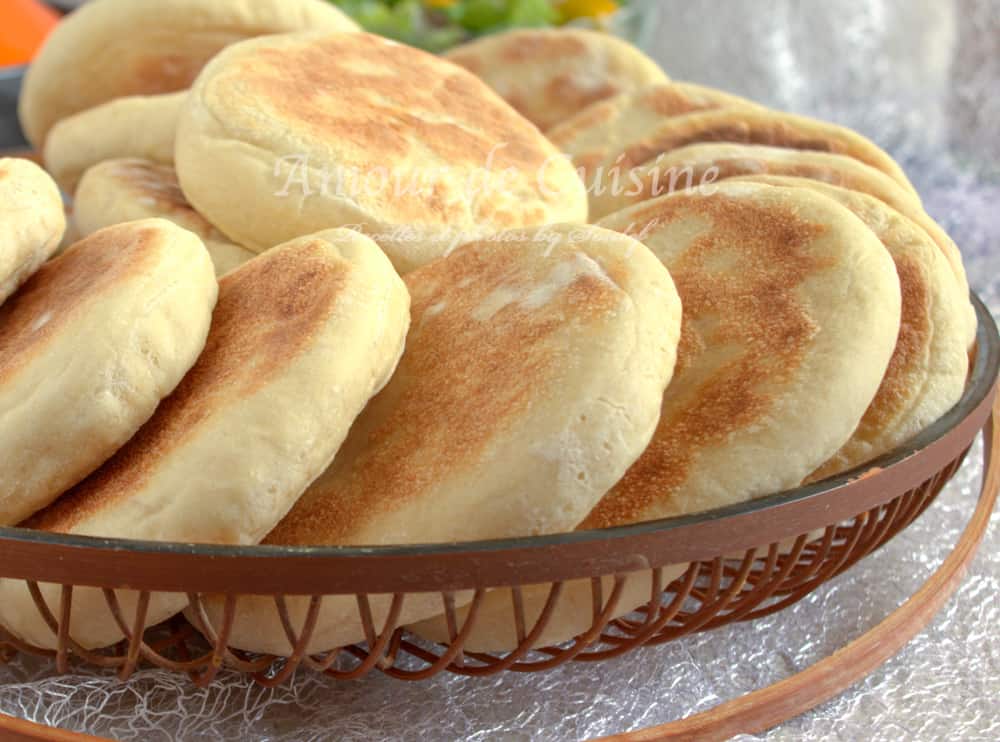
Batbout Variations and Filling Ideas
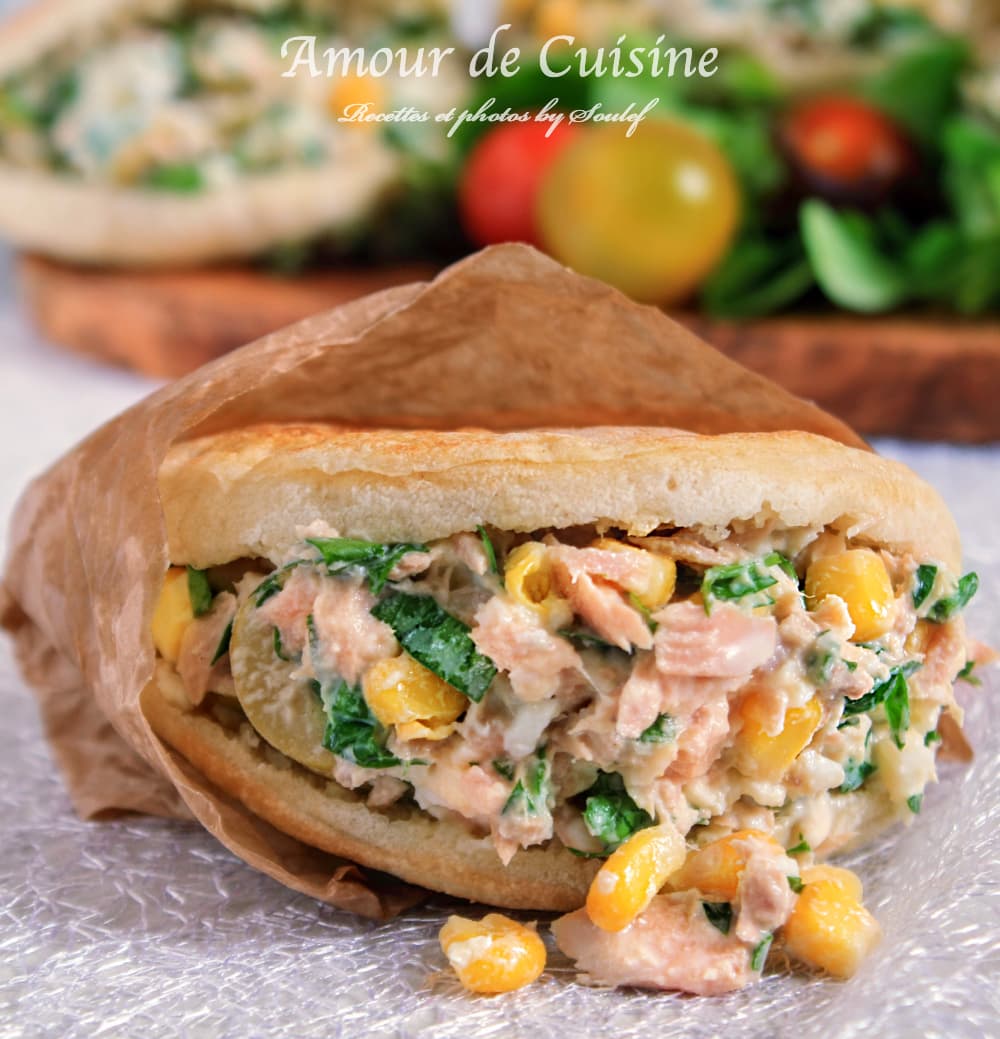
- Tuna-filled batbouts : Make a quick tuna spread and you’re set for flavourful, easy sandwiches.
- Chicken-filled batbouts : Perfect for using up leftover roast chicken. Add a spoon of simple homemade mayonnaise and your sandwiches are ready in minutes.
- Avocado and potato batbouts : Ideal for avocado lovers. Creamy, satisfying, and very easy to put together.
- Minced meat and spinach batbouts : A personal favourite. This version uses semolina batbouts, which have a deeper flavour and texture. They require longer kneading than flour batbouts, but the result is worth it.
- Express batbouts : Made with a mix of flour and semolina, these are quick to prepare, soft, and pleasantly textured.
How to keep batbouts soft (storage)
- Right after cooking (key step):
- Let batbouts cool fully on a rack or clean towel.
- Trapping heat too soon creates steam, which can make them heavy or soggy.
- Room temperature (1-2 days):
- Store in a cloth bag or wrap in a clean tea towel.
- If using a plastic bag, don’t seal it fully to avoid condensation.
- Avoid: leaving them uncovered, they dry out fast.
- Fridge (3-4 days):
- Keep in an airtight container or sealed bag.
- Plan to reheat before serving.
- Note: refrigeration can slightly dry bread, so use only if needed.
- Freezer (up to 2 months):
- Cool completely first.
- Freeze in a bag with parchment paper between each batbout so they don’t stick.
- Press out excess air and label the date.
Best ways to reheat batbouts
- Skillet (best overall):
- Warm a non-stick pan on medium heat, no oil.
- Heat 30 seconds per side, then flip 2-3 extra times for even softness.
- If a little dry: add a few drops of water, cover for 10 seconds to create gentle steam.
- Oven (great for a batch):
- Preheat to 150°C.
- Wrap batbouts in foil to prevent drying.
- Warm for 5-7 minutes, serve immediately.
- Microwave (quick fix):
- Put batbout on a plate with a glass of water nearby (adds moisture).
- Heat 10-15 seconds at medium power.
- Tip: do two short bursts rather than one long one to avoid a rubbery texture.
Batbout Made with a Thermomix (Video)
In the video for the tuna-filled batbouts recipe, you’ll see step by step how to prepare batbouts using a Thermomix.
FAQ : Moroccan batbout (common questions)
- Why did my batbouts stay flat even though the dough rose? Often caused by not resting after shaping or handling the dough too much, which knocks out trapped air.
- Can I make the dough ahead of time? Yes, prepare it a few hours earlier, keep it covered at room temperature, then shape and cook later.
- What size works best for a good puff? Aim for 8-10 cm rounds with an even thickness so they cook uniformly and puff more easily.
- Can I cook them on a cast-iron griddle or a clay tagine base? Yes, thick cookware is great, as long as the heat stays steady and medium.
- Are batbouts good for cold sandwiches? Yes, the soft crumb stays pleasant, especially with less watery fillings.
- Can I flavour the dough without changing the texture? Add a pinch of sesame, nigella, or cumin for aroma without affecting the crumb.
Other bread recipes to try
Batbout Recipe – Moroccan Skillet Bread
- Total Time: 2 hours 5 minutes
- Yield: 30 breads 1x
Description
Batbout is a classic Moroccan pita bread cooked on a skillet, known for its soft crumb and pocket-like puff.
Ingredients
- 1 kg flour
- 1 tbsp salt
- 40 g fresh baker’s yeast (or 20 g instant dry yeast)
- A little vegetable oil
- Warm water
Instructions
- Pour the flour into the bowl of a stand mixer, Thermomix, or a large bowl if kneading by hand.
- Add the salt and mix so it is evenly distributed through the flour.
- Add the fresh yeast and the oil, then start adding the water little by little.
- Once the dough comes together into a ball, knead for about 20 minutes.
- Lightly oil the dough ball to prevent a skin from forming.
- Place it back into an oiled bowl, cover with a clean towel, and let it rise.
- When risen, gently press the dough with your fist to release excess air, without over-kneading.
- Roll it out on a lightly floured surface and shape egg-sized balls.
- Flatten each ball into a small disc about 5 mm thick.
- Place the discs on a lightly floured clean cloth, cover with a towel, and let them rest until doubled in size.
- Keep them in a slightly warm place, away from drafts and excessive heat.
- Cook on a well-heated heavy-bottomed pan.
- Let the first side lightly brown.
- Flip to brown the second side, this is when the bread will puff up.
- Keep turning the breads until they are fully cooked.
- Prep Time: 20 min
- rest/ rise time: 1 hour 30 min
- Cook Time: 15 min
Nutrition
- Serving Size: 1 bread
- Calories: 60 kcal