Matlouh Algerian Semolina Bread (flat bread)

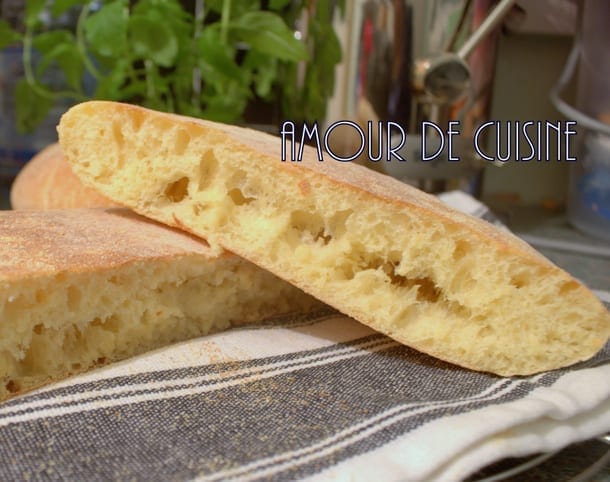
Matlouh is a traditional Algerian flatbread with a light, fluffy crumb and a golden crust.
Made from simple pantry staples, it fills the kitchen with warmth and memories, and it’s perfect for soups, stews, or breakfast.
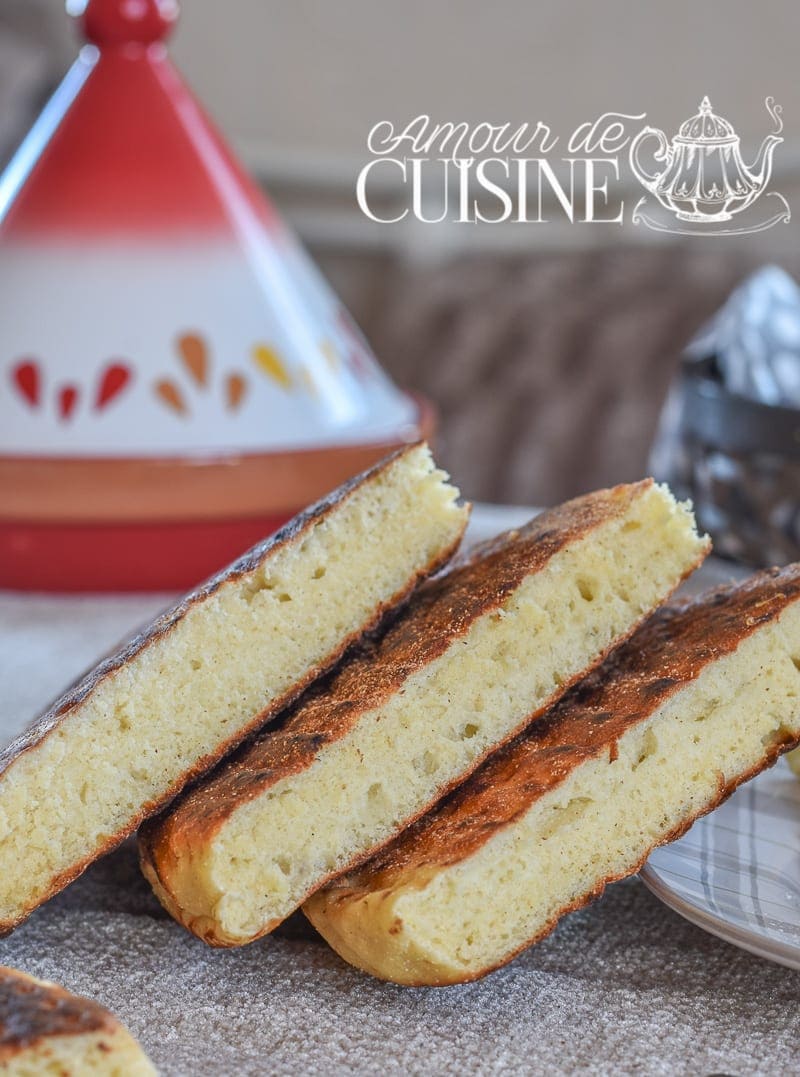
Matlouh Algerian Flatbread (Khobz Tajine): Soft Semolina Pan Bread
Matlouh is the kind of bread you make once, then keep coming back to.
It’s an Algerian flatbread with a tender crumb and a softness that feels instantly familiar.
The ingredient list is modest, yet the aroma that fills the kitchen is anything but, warm, toasty, and full of memories.
In my home it was everyday bread, known as kesra khmira in Constantine and kesra matlou3 in Sétif.
Toward the end of the day, we’d wait for that unmistakable scent as it browned on the clay pan, marking the quiet rhythm of family life.
Each household has its signature, nigella, a touch of anise, or a light milk brush when cooking for extra colour.
But the foundation stays steady: medium semolina, baker’s yeast, water, and salt.
Now I bake it for my own children, and they adore it.
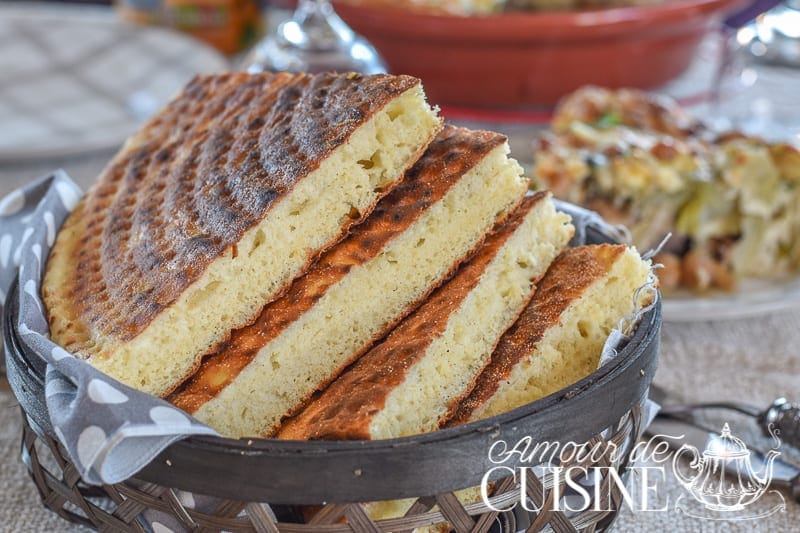
Ingredients for 2 Matlouh Flatbreads (Semolina Galettes)
(In the video, the quantities shown are for 3 flatbreads.)
- 450 g semolina : I use a mix of fine + medium semolina for a softer crumb with good structure.
- 2 tsp baker’s yeast (active dry yeast) : helps the dough rise and creates a lighter, airier texture.
- 1 tsp salt : balances the flavour and strengthens the dough.
- 1 tbsp sugar : gently feeds the yeast and supports a better rise and colour.
- 1 tbsp powdered milk (optional) : adds a subtle richness and can help with a softer bite.
- 1 tsp baking powder (optional) : gives a little extra lift, especially if your rise is short.
- Butter : for greasing and handling; it also helps prevent sticking.
- 250–300 ml water : add gradually; the exact amount depends on how much your semolina absorbs.
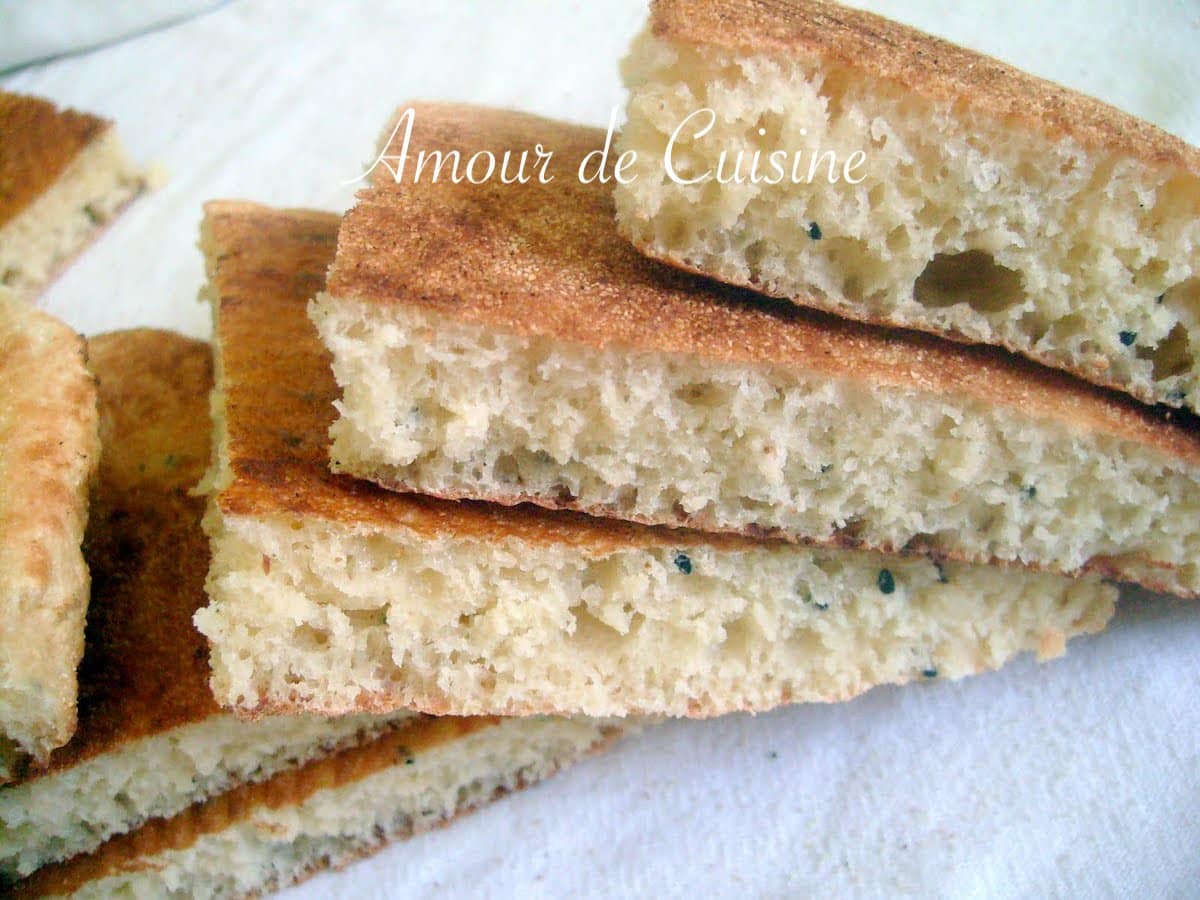
Step-by-Step Method: How to Make Matlouh Flatbread
- Mix the dry ingredients: Put the semolina in your mixer bowl, then add the salt, sugar, dry active yeast, and baking powder (if using).
- Mix briefly to distribute evenly.
- Add warm water gradually: Pour in the lukewarm water little by little until a dough forms. It should be soft and slightly sticky (that’s normal for a tender crumb).
- Hand-knead on a buttered surface: Remove the dough and knead for a few minutes on a lightly buttered worktop to smooth it out.
- First rise: Return the dough to the bowl, cover, and let it rise until doubled in size.
- Divide: Punch down gently and split into 2 equal pieces.
- Rest the dough balls: Place them on a clean cloth dusted with a little semolina, cover, and rest 15–20 minutes.
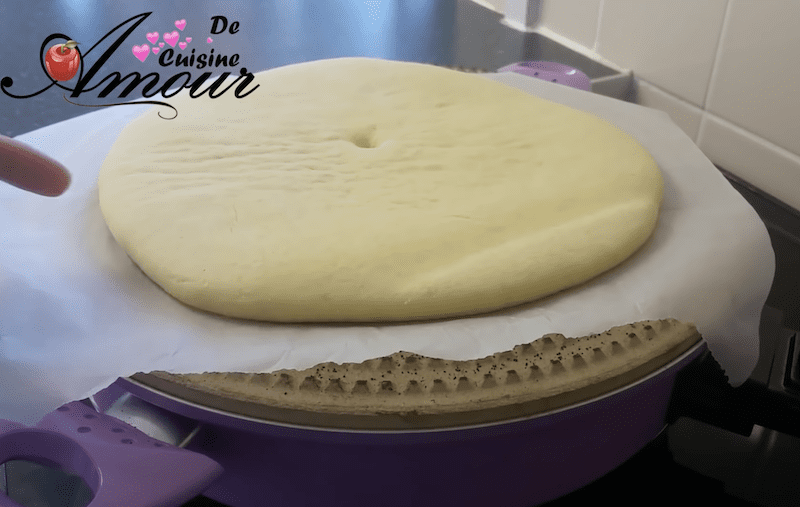
- Shape: Flatten each ball into a round using the palms of your hands (no rolling pin), then rest again for 30 minutes.
- Cook: Bake on a clay tajine pan on a gas tripod (traditional), a crêpe pan/griddle, or an electric stone tajine.
- Finish well: Cook on both sides, then also brown the edges for a fully cooked, deeper flavour.
Matlouh Flatbread Variations
- Optional add-ins: besides semolina, salt, baker’s yeast, and water, you can add oil, butter, sugar, nigella seeds, powdered milk, it’s all about preference.
- Flour-only matlouh: an easy, no-knead version. The texture is softer, but I prefer the lift of medium semolina.
- Semolina + flour matlouh: a very tasty mix, often 50/50, or slightly more flour if you want it easier to shape. For the best result, use more semolina than flour for a softer, melt-in-the-mouth crumb.
- Oven matlouh: great if pan cooking feels tricky; the dough is looser (more water) and baked as smaller rounds to stay tender.
Which “tajine” pan is best for Matlouh?
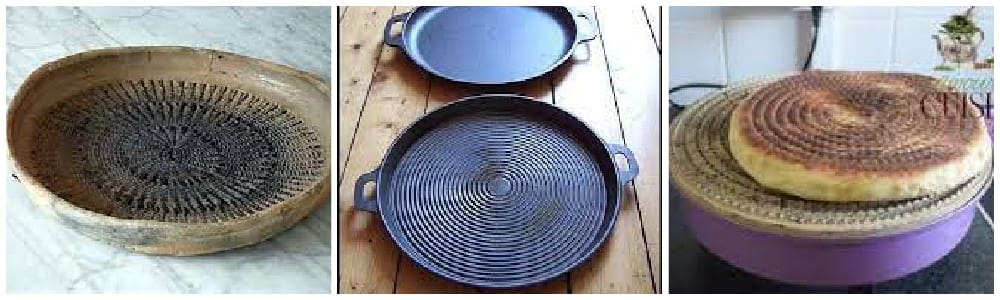
In Algeria, matlouh is traditionally cooked on a special wide pan called a tadjine (tajine), not the pot used for stews. This one is a broad clay griddle, often with patterns that leave a signature imprint on the bread (known as tadjine el habba).
1) Clay tajine (traditional) : This is the most common choice and a true kitchen essential. You’ll find two main types:
- Tadjine el habba (patterned): ideal for matlou3 and kesra rakhssis
- Tadjine messerah (smooth): great for kesra mbessa, stuffed flatbreads, baghrir, bradj, and more
Use it on a gas tripod stand. Clay is fragile, so handle it gently, especially when hot. A good-quality clay pan spreads heat evenly, giving you a golden crust and an airy, cloud-like crumb.
2) Cast-iron tajine (griddle) : Durable and reliable, but it heats very fast. Keep a close eye on the bread and adjust the heat carefully, whether you’re cooking on gas or electric.
3) Electric tajine with a stone plate : Perfect if you don’t have gas at home. It has a circular heating element topped with a pizza-stone-like plate, often reversible:
- one side smooth
- one side patterned for matlouh-style markings
It’s a convenient option for steady heat and consistent results.
Matlouh recipe on video
Troubleshooting: Problem → Cause → Fix
- Flat bread → Dough too firm or not risen enough → Add a little more water; rise until doubled.
- Dense crumb → Too little kneading or over-degassing → Knead properly; shape gently.
- Hard crust → Heat too high or cooked too long → Cook on low heat; cover briefly at the end.
- No holes → Dough too dry or wrong semolina → Use medium semolina; increase hydration slightly.
- Burnt outside, raw inside → Pan too hot → Lower the heat; cook longer and slower.
- Dough hard to handle → Very wet dough → Oil hands and the work surface.
Storage, freezing, and reheating “like fresh”
- Room temperature: 24-48 hours, wrapped in a towel then stored in a bag/box.
- Freezing: portion it, wrap well, freeze up to 2 months.
- Reheating: dry pan 1-2 minutes per side, or oven at 160-170°C for a few minutes.
- Avoid: microwave (turns rubbery/soft) and long reheats (dry bread).
What to serve with Matlouh
- With chorba: ideal for dipping and soaking up broth.
- With saucy dishes: stews, tomato-based sauces, curry, tagines—use it instead of regular bread.
- For breakfast: warm with butter or a drizzle of olive oil (honey optional).
- As a sandwich: cheese, tuna, eggs, or leftovers from saucy dishes.
Other bread recipes to try
Matlouh Algerian Semolina flat Bread
- Total Time: 2 hours 33 minutes
- Yield: 2 breads 1x
Description
Matlouh is a traditional Algerian flatbread with a light, fluffy crumb and a golden crust. Made from simple pantry staples, it fills the kitchen with warmth and memories, and it’s perfect for soups, stews, or breakfast.
Ingredients
- 450 g semolina (a mix of fine and medium for me)
- 2 tsp baker’s yeast
- 1 tsp salt
- 1 tbsp sugar
- 1 tbsp powdered milk (optional)
- 1 tsp baking powder (optional)
- butter
- 250 to 300 ml water (depending on how much the semolina absorbs)
Instructions
- Put the semolina in the stand mixer bowl, add the salt, sugar, both leavening agents, and mix.
- Add the lukewarm water very gradually to form a nice dough ball. The dough should be slightly sticky.
- Remove the dough from the mixer and knead by hand for a few minutes on a buttered work surface.
- Put the dough back in the mixer bowl, cover, and let it rise.
- Once doubled in size, take the dough and divide it into two.
- Place the portions on a clean cloth dusted with a little semolina.
- Cover the dough balls and let them rest for 15 to 20 minutes.
- Flatten the balls into rounds using the palms of your hands, then let them rest again for 30 minutes.
- Cook on a clay tajine (traditional cooking on a gas tripod: tabouna), or on a crêpe pan, or on the new electric stone tajines.
- Cook the flatbread on both sides, as well as around the edges, because I like it well cooked.
- Prep Time: 15 min
- rest /rise time: 2 hours
- Cook Time: 18 min
Nutrition
- Serving Size: 1 quarter
- Calories: 220 kcal