
Homemade French Baguette recipe

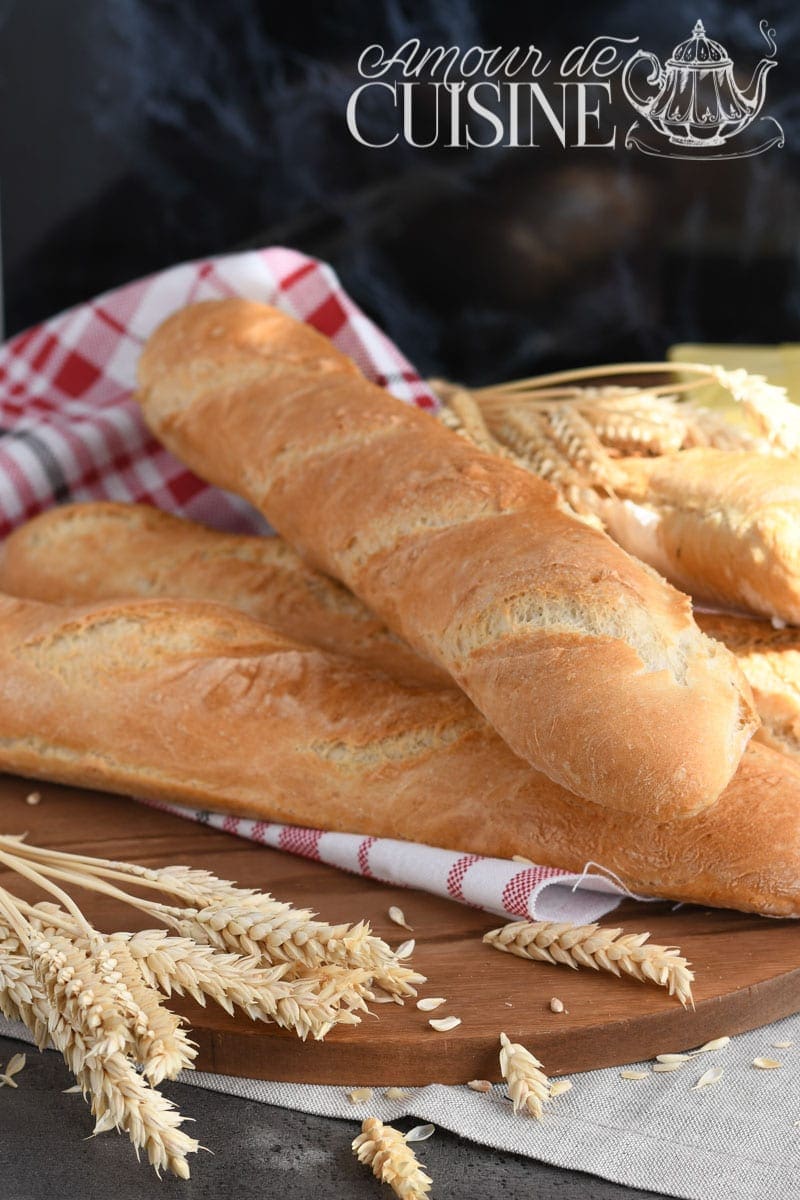
This homemade french baguette recipe delivers a thin, crisp crust and an airy, open crumb using simple folds and a burst of steam.
Follow the timings, shaping cues, scoring tips, and fixes for common issues at home reliably.
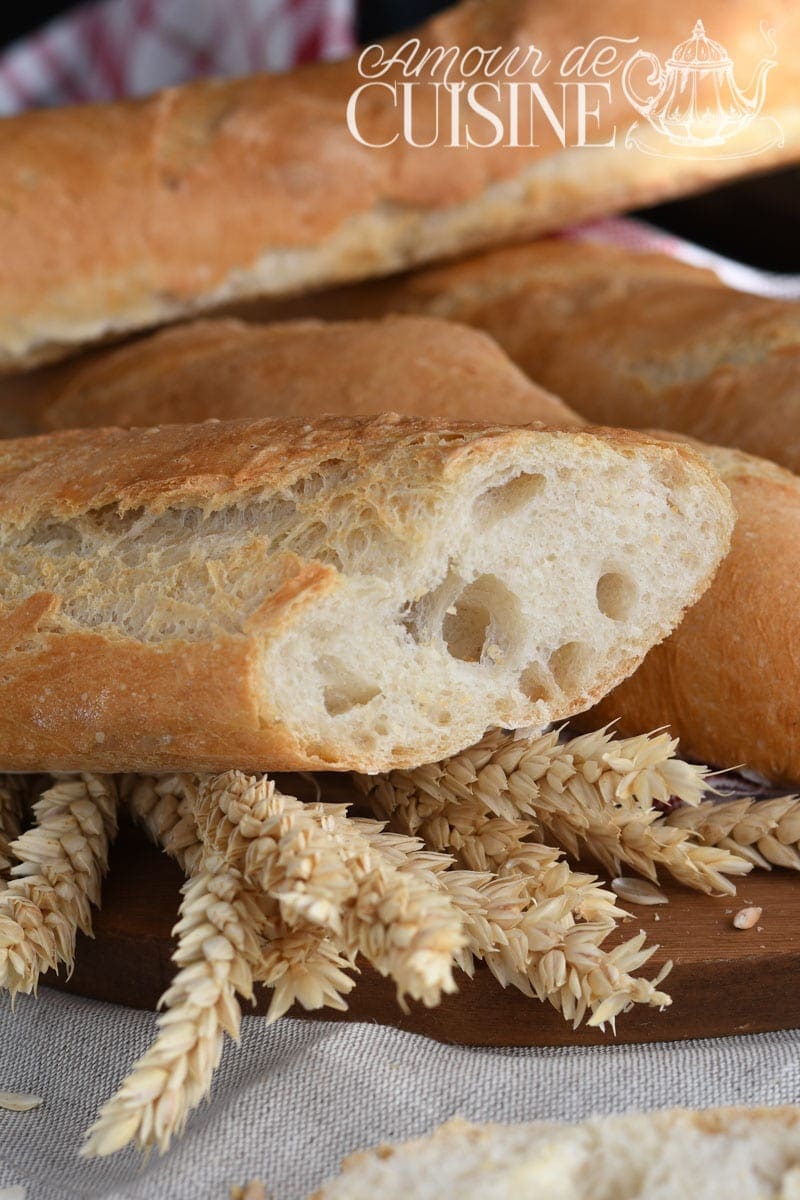
How to Make a Crispy Homemade French Baguette recipe
Bake a classic French baguette at home with a thin, crackly crust and a light, honeycomb-style crumb.
This method relies on a well-hydrated dough, a few gentle folds during the first rise, and proper shaping to build strength without heavy kneading.
Right before baking, score the loaf with quick, angled cuts so it expands where you want it to.
Adding steam at the start of the bake keeps the surface elastic, giving the baguette a strong oven spring and a glossy finish.
Use a preheated tray or baking stone for extra lift, then cool the bread on a rack to preserve the crunch.
Quick Success Checklist: 5 Keys for Great Homemade Baguettes
Keep these five markers in mind for consistent results:
- Hydration ~73%: a wetter dough helps create a lighter, more open crumb.
- 3-4 rounds of folds: strengthens gluten without heavy kneading and improves structure.
- Well-judged final proof: enough rise for volume, not so long that the dough collapses.
- Clean, angled scores (grignes): guides expansion and helps create a nice ear.
- Steam at the start of baking: delays crust setting, boosts oven spring, and crisps the crust.
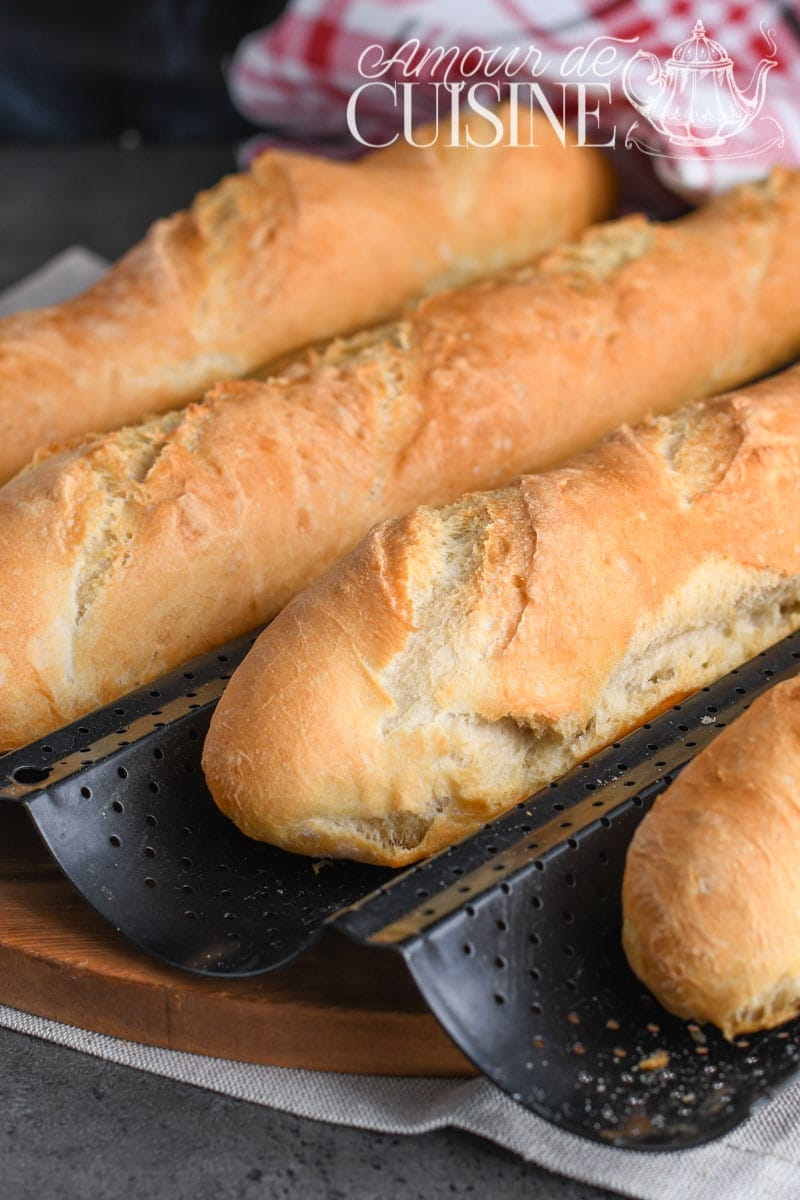
Ingredients for a Crisp Homemade French Baguette
- 600 g bread flour: Choose a strong, higher-gluten flour (French T55 or T65) for a supple dough and an airy, open crumb.
- 440 ml lukewarm water: Aim for 35-40°C so the yeast activates properly without being damaged.
- ¾ tsp salt: Boosts flavour and strengthens gluten; add it after the yeast to avoid slowing fermentation.
- ¼ tsp sugar: A small amount helps feed the yeast and supports an even rise.
- 1 tbsp active dry yeast: Rehydrate in a little lukewarm water before mixing in. You can also use 20 g fresh yeast for a more traditional result.
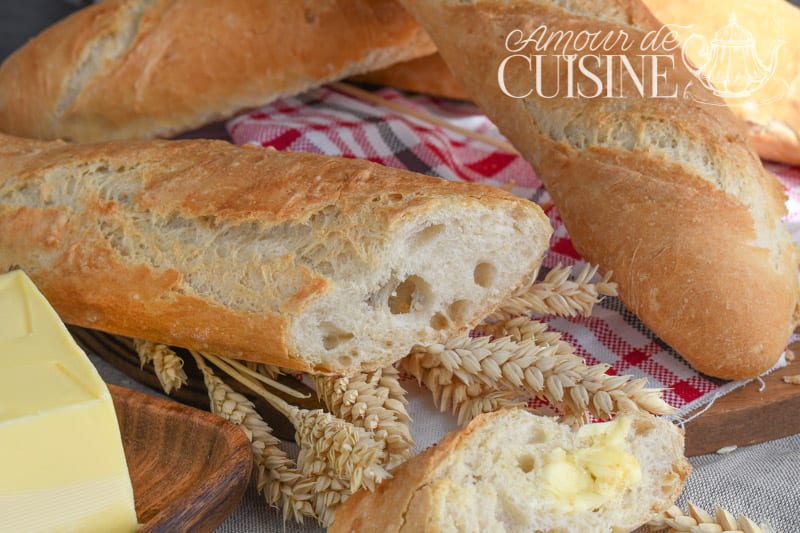
Easy Step-by-Step Method for Crisp Homemade French Baguettes
I’ve tested plenty of no-knead breads, but this one is my go-to. It takes a little patience, yet the payoff is consistent: a light crumb, a golden crust, and that unmistakable fresh-bread aroma.
Step-by-step recipe
- Activate the yeast: In a glass, mix the dried yeast with a little lukewarm water and the sugar. Leave for 5-10 minutes until foamy.
- Combine the dry ingredients: In a large bowl, stir together the flour and salt so the salt is evenly distributed (avoid direct contact with the yeast).
- Mix the dough: Add the activated yeast to the flour, then gradually pour in the remaining lukewarm water. Mix until you have a smooth dough that’s slightly sticky.
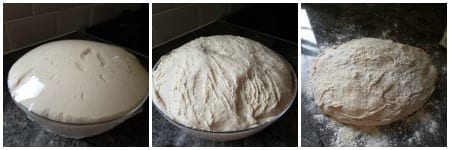
- First rise: On a lightly floured surface, fold the dough over itself a few times and shape into a ball. Place in a large bowl, cover, and let rise in a draft-free spot until doubled in size.
- Folding rounds:
- Wet your hands to prevent sticking.
- Lift the dough, gently tap it on the counter, then fold it over itself 3–4 times.
- Return to the bowl, cover, and let rise again.
- Repeat this folding-and-rising cycle 3 times total for an open, airy crumb.
- Shape the baguettes:
- After the final rise, turn the dough onto a well-floured surface.
- Divide into 4 equal pieces (about 260 g each).
- Shape into balls, then flatten each into a rectangle.
- Roll up tightly to form baguettes.
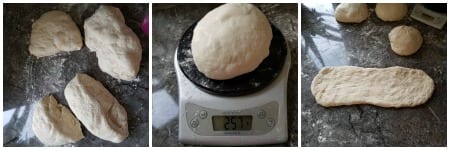
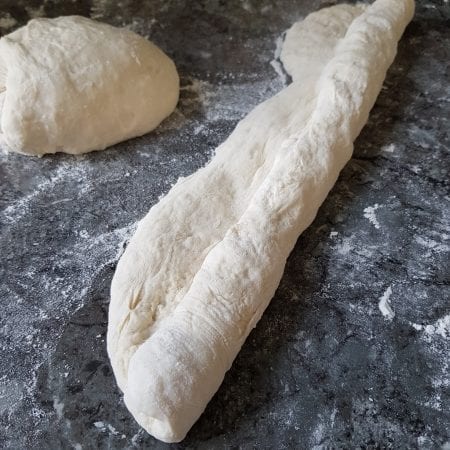
- Final proof: Place on a baguette tray or a baking sheet lined with floured parchment. Let rise again until doubled.
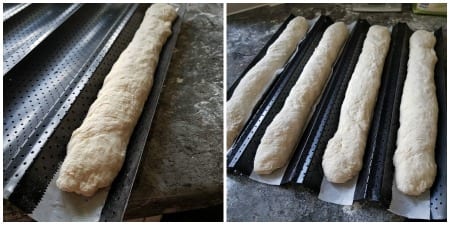
- Preheat + steam: Heat the oven to 220°C. Set a heatproof dish of water on the bottom rack to create steam for a crisp crust.
- Score and bake: Make 3-4 diagonal slashes on each baguette with a very sharp knife.
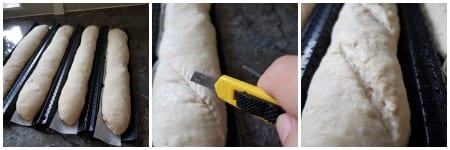
- Lightly mist the surface with water, then bake for 20–25 minutes until deeply golden and crisp.
Baking Tip: How to Use Steam for a Perfect Baguette Crust
Steam at the start of baking (the “steam burst”) is key for a crisp crust and well-opened baguettes. Adding moisture right when the bread goes into the oven delays crust formation, so the loaf can expand fully and your scores open into a clean ear.
Simple at-home methods
- Spray bottle method: right after loading the baguettes, lightly mist the hot oven walls with water (avoid the oven light).
- Tray of boiling water: place a sturdy metal tray or heatproof dish on the bottom of the oven, then carefully pour in boiling water as you put the bread in.
- Ice cube method: drop a few ice cubes into a small metal pan; as they melt and evaporate, they create the steam you need.
Result: a thinner, crisper crust and better oven spring, with more defined scoring.
Baguette Variations and Easy Adaptations
The classic baguette recipe can be tweaked in several ways to change the flavour, texture, or shape, depending on your time, equipment, and what you enjoy most.
– With sourdough, poolish, or a longer fermentation
- Natural sourdough starter gives a deeper, more complex flavour and helps the bread stay fresh for longer.
- Poolish (liquid pre-ferment) often creates a very open crumb and a thinner, crisper crust.
- Long cold fermentation (in the fridge) develops richer aromas and can make the bread easier to digest.
– Alternative shapes and sizes
- Ficelle is a thinner baguette, perfect for snacks and aperitifs.
- Flûte is wider and feels a little more generous.
- “Baguette de tradition” is a regulated term in France, with a strict ingredient list (flour, water, salt, yeast and/or sourdough), and no additives.
– Faster or no-knead options
- Quick versions are handy when time is tight; they’re fast and satisfying, even if the texture differs from a traditional baguette.
- No-knead bread is a simplified approach with minimal effort, while still delivering great homemade bread.
FAQ: How to Make Homemade Baguettes Successfully
– Why does the crust turn soft after cooling? This usually happens when bread is stored while still warm, especially in a plastic bag. Let your baguettes cool fully on a rack first, then store them in a clean tea towel to keep the crust drier.
– How do I adjust baking for my oven type? For a fan oven, lower the temperature slightly to 200-210°C. For a conventional oven, keep 220°C and use steam for better colour and crust. Always judge by browning, because ovens vary.
– What hydration gives an open, airy crumb? A 70-75% hydration dough (water compared to flour) helps create a lighter crumb with bigger holes. More water can mean more openness, but the dough will feel stickier to handle.
– Can I replace yeast with sourdough? Yes, but the fermentation will take longer. Sourdough also brings a gentle tang and usually improves keeping quality.
– How do I get clean scores (grignes)? Use a razor blade or a very sharp knife. Hold it at about a 45° angle and slash quickly and confidently so the baguette opens well in the oven.
– Can I make the dough ahead of time? Yes. Let the dough rest overnight in the fridge. This boosts flavour and makes the timing easier to manage.
Storing, Freezing, and Reheating Baguettes
– Room temperature: wrap in a clean tea towel; best within 24 hours for a decent crust.
– Freezing: slice into portions, wrap well, and freeze for up to 1 month.
– Reheating: warm in a very hot oven for 5-8 minutes, directly on the rack, to re-crisp the crust.
Other bread recipes to try
- Homemade Skillet Pita Bread
- Easy homemade sandwich bread
- No-Knead Yogurt Bread Rolls
- Hokkaido Japanese Milk Bread
- Soft dinner rolls recipe

French Baguette recipe : Easy homemade french bread
- Total Time: 3 hours 45 minutes
- Yield: 4 baguettes 1x
Description
This baguette delivers a thin, crisp crust and an airy, open crumb using simple folds and a burst of steam. Follow the timings, shaping cues, scoring tips, and fixes for common issues at home reliably.
Ingredients
- 600 g bread flour
- 440 ml lukewarm water
- 3/4 tsp salt
- 1/4 tsp sugar
- 1 tbsp active dry baker’s yeast
Instructions
- Dissolve the yeast in a glass with a little lukewarm water and sugar, then let it activate well.
- Put the flour in a large bowl, add the salt, and mix well.
- Add the activated yeast, then bring the dough together with the remaining lukewarm water.
- Turn the dough out onto a floured surface, fold it over itself a few times, then shape into a ball and place in a large bowl.
- Cover the bowl with plastic wrap and let the dough double in size, away from drafts.
- Once doubled, with wet hands, lift the dough, tap it against the work surface while folding it over itself; do this 3–4 times.
- Return the dough to the bowl, cover, and let it double again.
- Repeat this process 3 more times.
- After the 4th rise, place the dough on a well-floured surface, divide into 4 equal pieces and shape into balls (about 260 g each).
- Without overworking the dough, flatten each piece into a rectangle, then roll it up on itself to form a baguette.
- Place each baguette on a baking tray lined with parchment paper and well floured (the dough is very sticky and may stick to the paper).
- Shape the remaining baguettes and let them double in size.
- Preheat the oven to 220°C and place a pan with a little water on the bottom of the oven to create some humidity.
- Prep Time: 25 min
- rest / rise time: 3 hours
- Cook Time: 20 min
- Category: bread
- Cuisine: french cuisine
Nutrition
- Serving Size: 1 baguette
- Calories: 550 kcal