
Italian Homemade Pizza Dough

Homemade pizza night gets easier when the dough is reliable. This Italian recipe uses easy ingredients, folds, and flexible resting, so you can stretch it thin, keep airy edges, and bake it hot for crisp texture.

A Warm Note From My Kitchen
Homemade pizza shows up at my place at least once a week, and it’s become our little tradition.
The requests start immediately: “no cheese for me,” “no olives for me,” and of course “extra spicy for me” (that one is my husband…).
The easiest solution is portioning the dough so everyone gets their own base, each person tops their pizza, and dinner turns into a fun, cosy family moment.
I learned this dough online, mostly on YouTube, after watching more videos than I’d like to admit and going through a few memorable failures.
What finally made everything click was understanding that rest time matters.
With a bit of patience, the dough becomes smoother, easier to stretch, and far more forgiving.
I often make a fluffy “pan-style” pizza, but this version gives you a thinner base with beautiful, airy edges.
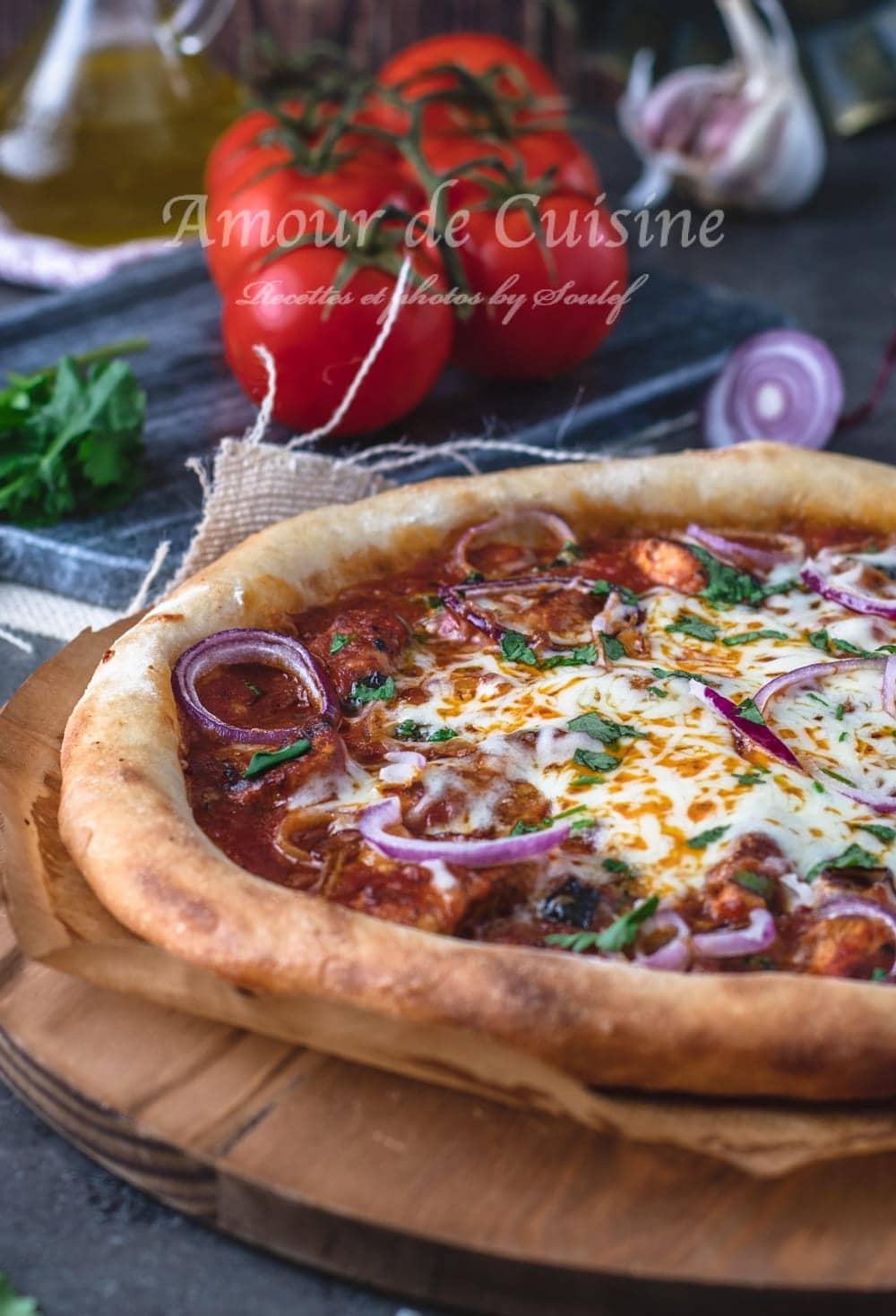
Top it however you like: a classic tomato sauce, a creamy Alfredo, or a rich cheese sauce. Below, you’ll also see how well it works with tuna and mushrooms, simple and comforting.

Quick Overview
- Level: Easy to intermediate
- Time: Short active time, mostly resting
- Result: Thin, stretchy dough with airy edges
- Best for: Pizza stone, baking steel, preheated tray, or a regular home oven
- Optional: Cold rise for deeper flavour
How to Make Pizza Dough Successfully
Today, we’re making homemade Italian pizza dough. The goal is to build plenty of gluten so you get a dough that’s elastic and stretches beautifully without tearing.
Here, technique matters, but the hydration level matters even more, meaning you’ll hydrate the flour to almost 60%.
I’ll explain how this hydration works, and it starts with using the right flour. I recommend bread flour with around 12 g of protein per 100 g, because it gives the dough strength and structure.
60% Hydration Guide (Bread Flour)
- 100 g bread flour → 60 ml water
- 200 g bread flour → 120 ml water
- 300 g bread flour → 180 ml water
- 400 g bread flour → 240 ml water
- 500 g bread flour → 300 ml water

The Most Important Step: Gradual Hydration, Folding, and Proper Rising
The key is to let the flour absorb the water gradually, then build strength in the dough by folding it over itself.
Let the dough double in size in a warm spot, away from drafts. Then gently deflate it without overworking it on a lightly floured surface. Divide it into 4 pieces and shape 4 dough balls.
If you want to make pizza straight away, keep the dough balls covered with a clean towel and let them double in size, then shape and top your pizza as usual.
Otherwise, like I do :place each dough ball directly into a plastic container (about 500 ml), close the lid, and refrigerate. You can keep the dough chilled for 24 hours up to 3 days.
Ingredients for Homemade Italian Pizza Dough
- 500 g bread flour (about 12% protein): for a stretchy, elastic dough
- 310 ml lukewarm water: hydrates the flour and supports yeast activity
- 1 tsp salt: boosts flavour and helps strengthen the dough
- 1 tsp instant dry yeast: steady, reliable rise
- 1 tbsp sugar: helps yeast along and encourages light browning

How to Make Pizza Dough (Step-by-Step)
- In a large bowl, mix the flour and yeast. Add the salt, then pour in the lukewarm water gradually, mixing as you go.
- Using a spatula (or your hands), stir gently so the flour absorbs the water. Keep going until you get a sticky dough ball, that’s normal.
- Knead briefly by rolling and folding the dough over itself until it looks more even. No need to overwork it.
- Cover the bowl with a damp towel or cling film and let it rest 30 minutes, away from drafts.
- Perform 3-4 folds: lift one side, fold it toward the centre, rotate the bowl, and repeat. This builds strength and makes the dough more supple.
- If it’s very sticky, use a dough scraper instead of adding lots of flour (extra flour can change the final texture).
- After folding, the dough should feel more resilient. Press a finger into it: it should spring back quickly.

- If baking the same day, place your pizza stone/steel on the lowest rack (or base) and preheat the oven to its hottest setting (275°C in your case). Make sure the surface is fully heated before baking.
- Lightly flour your worktop, divide into 4 equal pieces, and shape each into a ball. Use flour only to prevent sticking, don’t work it into the dough.
- Let the balls rise until doubled in size.
- Handle the dough as little as possible. On lightly floured baking paper, press from the centre outward to form a ~25 cm circle, keeping the rim thicker for airy edges.
- Add your toppings, then bake on the hot surface until puffed and golden.
Troubleshooting (Common Problems & Quick Fixes)
- Dough too sticky: use a scraper, rest 10 minutes, flour the surface lightly (not the dough).
- Dough too dry: add 1 tbsp water, mix gently, rest 15 minutes.
- Not rising: yeast may be old or water too hot; proof in a warmer spot.
- Flat flavour: use a cold rise (24h+) and don’t skimp on salt.
- Pale bottom / top cooks too fast: bake lower, heat the surface more, reduce moisture in toppings.
- Dough tears: stretch gently, rest 10 minutes, avoid over-flouring.
Storage, Freezing & Batch Cooking
- Fridge (24-72h): store dough or dough balls in a lightly oiled lidded container so it won’t dry out.
- Freezing: freeze as dough balls, wrapped well.
- Defrost: overnight in the fridge, then 30-60 minutes at room temp before shaping.
- Simple plan: make dough the day before, bake the next day for better flavour.
FAQ (Quick Answers)
- Instant dry yeast or fresh? Both work, adjust quantities if using fresh yeast.
- Can you skip the sugar? Yes. It’s optional; the dough will still rise.
- Can you use a stand mixer? Yes, mix/knead briefly, then rely on resting and folds.
- Why does the dough shrink back? Gluten is tight, rest 10 minutes, then stretch again.
- Can you bake on a tray? Yes, preheat the tray well for a crisp bottom.
- How to avoid soggy pizza? Use thicker sauce, drain toppings, and bake very hot.
Ideas to decorate your pizza
- Homemade Arrabbiata Sauce
- Creamy Ranch Dressing
- Basil Pesto Recipe
- Sun-dried tomato sauce : pesto rosso

Hot to make the best Italian Homemade Pizza Dough
- Total Time: 2 hours
- Yield: 4 pizzas 1x
Description
Homemade pizza night gets easier when the dough is reliable. This Italian recipe uses ingredients, folds, and flexible resting, so you can stretch it thin, keep airy edges, and bake it hot for crisp texture.
Ingredients
- 500 g flour (12% protein)
- 310 ml lukewarm water
- 1 tsp salt
- 1 tsp instant dry yeast
- 1 tbsp sugar
Instructions
- In a large bowl, mix the flour and yeast, then add the salt. Pour in the water little by little.
- Using a spatula (or your hands), mix gently so the flour absorbs the water, until you get a sticky dough ball.
- For kneading, roll the dough over itself and fold it to make it more even.
- Cover the bowl with a damp towel or cling film, then let it rest for 30 minutes, away from drafts.
- Fold the dough over itself 3 to 4 times to build strength and make it more supple.
- If the dough is too sticky, work with a dough scraper to avoid adding too much flour (texture depends on flour quality).
- After this, the dough becomes more resilient and a finger press springs back quickly.
- If baking the same day, place the pizza stone on the bottom of the oven and preheat to maximum (275°C for you). Wait until it’s very hot before baking.
- Lightly flour the work surface, then divide the dough into 4 equal parts.
- Shape into balls without working flour into the dough; flour is only to prevent sticking.
- Let the dough balls double in size.
- Handle the dough as little as possible, then shape a ~25 cm circle on lightly floured baking paper, pressing the centre and pushing outward toward the edges.
- Prep Time: 30 min
- rest / rise time: 1 hour 30 min
- Category: baking
- Cuisine: italian cuisine
Nutrition
- Serving Size: 1 pizza
- Calories: 470 kcal